from Men's Gear



WOW Singapore follows up on its annual special Vision issue in June with its first regular release of the year, the Summer 2026 issue. Anchored by an ambitious year-long inquiry into the true meaning of value in horology, the latest issue explores how innovation, craft, and shifting market dynamics are defining the future of wristwear.

Headlining the issue is the Chanel Coco Game capsule collection, leading with The Chessboard Unique Piece on the cover. Requiring over 1,000 hours of development for its high-tech ceramic components alone, the creation fuses black obsidian, black and white ceramic, gold, and over 9,000 diamonds into an extraordinary 32-piece sculpted set. Concealed within the opposing Queens—sculpted as Mademoiselle Chanel herself—are secret and very quirky timepieces.

In an in-depth cover feature, WOW speaks exclusively with Frédéric Grangié (President of Chanel Watches & Fine Jewellery) and Arnaud Chastaingt (Director of the Watchmaking Creation Studio) about breaking traditional watchmaking rules through absolute creative freedom.

Future Value & Innovation: WOW begins a year-long investigation into the economics of watchmaking. Feature stories “New Horizons” and “Trickle-Up Horology” examine how material advances, high-tech manufacturing, and transparent pricing are reshaping what collectors expect at every price point.

Watches & Wonders Geneva & Beyond: Comprehensive dispatches from the halls of Palexpo and the vibrant independent shows across Geneva. Highlights include the groundbreaking Parmigiani Fleurier Tonda PF Chronographe Mystérieux, the TAG Heuer Monaco Evergraph, and first-hand accounts from Time to Watches and Chronopolis.


Editorial Roundtable on IWC: The editors of WOW Singapore, Malaysia and Thailand convene to debate IWC’s technical leaps, including the fully luminous Ceralume® technology and the bi-directional crown-adjusted IWC-ProSet perpetual calendar mechanism.

Issue #84 brings candid, unfiltered insights from the industry’s top decision-makers:


The Summer 2026 issue of WOW Singapore is available now at leading newsstands across Singapore and digitally via Magzter.
For more on the latest in luxury watch reads, click here.
The post WOW Singapore Summer 2026 Issue On Newsstands Now appeared first on LUXUO.
Once considered an indulgence, wellness has become one of luxury’s defining priorities. For today’s affluent consumer, true luxury extends beyond exceptional craftsmanship and personalised service to encompass better health, longevity and overall quality of life. The shift is backed by significant growth. According to the Global Wellness Institute’s 2025 Global Wellness Economy Monitor, the global wellness economy reached USD 6.8 trillion in 2024, nearly twice its size in 2013, with projections placing the market at almost USD 9.8 trillion by 2029. Preventive healthcare, mental wellbeing, wellness tourism and longevity are no longer niche categories but major drivers of consumer spending. As the boundaries between healthcare, hospitality, beauty and lifestyle continue to blur, LUXUO examines how wellness has emerged as one of the luxury industry’s fastest-growing and most influential sectors.
The role of luxury wellness has changed considerably over the past decade. Where spa experiences once focused on relaxation and indulgence, they are now expected to support broader health goals. Treatments increasingly combine traditional therapies with technology, diagnostics and personalised programmes designed to improve both physical and mental wellbeing.

Across luxury spas, wellness retreats and nutrition-focused dining concepts, a new expectation is emerging. Consumers are no longer seeking wellness solely as a form of self-care. Increasingly, wellness is being treated as a strategy for performance optimisation — a means of improving appearance, cognitive function, sleep quality, recovery and long-term health. The shift is becoming visible across every corner of the wellness industry. Treatments once marketed around indulgence are being replaced by experiences promising measurable outcomes. Nutrition is evolving from a supporting act to a central pillar of wellbeing. Sleep is becoming a luxury commodity. Even skincare is being evaluated through the lens of performance.
According to SpaSeekers’ Spa Trends Report 2026, the fastest-growing wellness experiences are those perceived to deliver tangible results. Deeply hydrating Korean glass skin facials recorded a 140 per cent increase in interest year-on-year, while biohacking spas rose by 100 per cent and sleep retreats by more than 80 per cent. At the same time, practices such as crystal reiki, psychic healing and gold leaf facials are experiencing a decline in popularity, signalling a broader move away from symbolic wellness towards evidence-led interventions.

As SpaSeekers therapist Maddie Cridge observed in the report, consumers are increasingly seeking treatments that deliver “real tangible results”, reflecting a growing preference for experiences that support long-term wellbeing rather than short-lived novelty.
Few trends illustrate this shift more clearly than the rise of the Korean glass skin facial. Originating from South Korea’s globally influential beauty sector, the treatment aims to create skin that appears exceptionally hydrated, smooth and luminous. Rather than relying on heavy makeup or temporary cosmetic enhancements, the approach focuses on strengthening the skin barrier and improving hydration levels through advanced skincare techniques and ingredients.

The appeal extends beyond aesthetics. Glass skin has become shorthand for healthy skin, aligning beauty with wellness rather than transformation. The trend arrives at a moment when consumers are becoming increasingly sophisticated about skincare science. Social media has accelerated awareness of ingredients, while dermatological research has entered mainstream conversations. Terms such as ceramides, peptides and skin-barrier repair are now commonly discussed alongside luxury beauty purchases.
As a result, skincare treatments are increasingly judged by visible improvements that persist beyond a single appointment. The popularity of Korean glass skin facials suggests a growing appetite for treatments positioned at the intersection of beauty, prevention and long-term skin health.
Luxury wellness operators are responding accordingly, incorporating advanced facial technologies, personalised skincare consultations and data-informed treatment plans into spa offerings that once focused primarily on relaxation.

If glass skin facials represent the visible face of optimised wellness, biohacking reflects its most ambitious expression.
Once associated with Silicon Valley entrepreneurs and elite athletes, biohacking has steadily entered the luxury wellness sector. Cryotherapy chambers, red-light therapy, infrared saunas, cold-water immersion, hyperbaric oxygen sessions and recovery-focused diagnostics are increasingly appearing within high-end wellness destinations.
The appeal lies in a simple proposition: measurable improvement.

Rather than promising a vague sense of wellbeing, biohacking treatments often position themselves around specific outcomes such as improved recovery, enhanced sleep quality, reduced inflammation or increased energy levels. The growing popularity of wearable technology has further accelerated interest. Smart rings, sleep trackers and health-monitoring devices have encouraged consumers to view wellbeing through metrics and data points. Resting heart rate, sleep efficiency and recovery scores have become part of everyday wellness conversations.
The result is a consumer mindset increasingly focused on optimisation rather than occasional indulgence. That does not mean every biohacking intervention is supported by robust scientific evidence. Researchers continue to debate the effectiveness of some emerging treatments. Yet the broader movement reflects a significant cultural shift: wellness is increasingly being approached with the same goal-oriented mindset traditionally reserved for fitness and professional performance.

Perhaps no wellness trend better captures modern anxieties than the rise of sleep retreats. For many professionals, entrepreneurs and frequent travellers, sleep has become both elusive and highly valuable. Long working hours, digital overstimulation and constant connectivity have transformed restorative sleep into a scarce resource. Luxury hospitality brands have taken notice.
Sleep-focused retreats are expanding across global wellness destinations, combining specialist consultations, sleep tracking technologies, guided relaxation techniques and environments designed to promote recovery. Some programmes include circadian-lighting systems, temperature-controlled bedrooms and nutritional interventions aimed at supporting healthy sleep cycles.
The popularity of these retreats reflects growing scientific understanding of sleep’s role in health. Research consistently links inadequate sleep to impaired cognitive performance, weakened immunity, increased cardiovascular risk and poorer metabolic health.

Sleep is no longer viewed merely as rest. Increasingly, it is recognised as one of the most powerful performance-enhancing tools available. In many ways, the emergence of sleep retreats signals a broader redefinition of luxury itself. Status is becoming less associated with excess and more closely connected to vitality, recovery and resilience.

The optimisation movement extends far beyond the spa. Nutrition is emerging as one of the most influential forces shaping the future of wellness, particularly as growing scientific evidence highlights the relationship between diet, cognitive performance and long-term health. The concept is straightforward but powerful: food does more than prevent disease. Food influences how effectively the brain functions, how well the body recovers and how consistently energy levels are maintained throughout the day.
Dr Greg Wells, a physiologist and performance expert, describes this approach as neuronutrition — the science of fuelling the brain for improved focus, mood and performance. The brain accounts for only a small percentage of body weight yet consumes roughly 20 per cent of the body’s resting energy requirements. Maintaining that energy supply requires more than calories alone. Nutrient quality matters.
Refined carbohydrates such as pastries, sugary drinks and highly processed snacks can produce rapid spikes and crashes in blood glucose levels. By contrast, fibre-rich carbohydrates found in oats, lentils, berries and quinoa release energy more gradually, supporting sustained mental performance.
The influence of nutrition extends even deeper into brain chemistry.
Tyrosine-rich foods such as eggs, dairy products and lean proteins contribute to the production of dopamine and norepinephrine, neurotransmitters associated with focus and motivation. Tryptophan, found in foods including turkey, nuts and seeds, supports the production of serotonin and melatonin, both essential for mood regulation and healthy sleep patterns. Choline, abundant in eggs and certain vegetables, plays a critical role in memory and cognitive processing.
Increasingly, wellness experts are also drawing attention to the gut-brain axis, the complex communication network connecting the digestive system and the brain.
A growing body of research suggests that gut microbes influence mood, inflammation and cognitive health. Fibre-rich foods, colourful vegetables, legumes and fermented products such as yogurt, kefir and kimchi support microbial diversity, creating conditions associated with improved overall wellbeing.
The implications are beginning to reshape luxury hospitality and wellness dining.
Restaurants within wellness resorts are increasingly moving beyond calorie counts and detox menus. Instead, menus are being designed around metabolic health, cognitive performance and recovery.

Omega-3-rich fish such as salmon, sardines and mackerel are valued for supporting brain function. Polyphenol-rich foods including extra-virgin olive oil, green tea and dark chocolate are increasingly celebrated for their anti-inflammatory properties. B vitamins, antioxidants and healthy fats have become central components of performance-oriented dining strategies.
Breakfast, once overlooked in many wellness discussions, is receiving renewed attention. Research indicates that balanced morning meals combining complex carbohydrates, protein and healthy fats can support memory, concentration and problem-solving abilities throughout the day.
The trend reflects a broader evolution within luxury wellness. Nutritional choices are increasingly viewed not as restrictions but as investments in performance, longevity and quality of life.
The defining wellness trends of 2026 reveal a common theme. Whether through Korean glass skin facials, biohacking therapies, sleep retreats or neuronutrition, the objective is no longer temporary escape.
Consumers are seeking evidence of improvement.
The pursuit of wellness has entered a new phase in which appearance, cognitive performance, recovery and long-term health are increasingly interconnected. Luxury experiences are being evaluated according to outcomes rather than rituals alone.
For wellness brands, spas and hospitality operators, the implications are significant. Experiences that once revolved around pampering are evolving into platforms for measurable transformation.
The age of optimised wellness is not simply about looking better or feeling better for a day. It is about building the physical and cognitive capacity to perform, recover and thrive over the long term. In a culture increasingly defined by productivity, longevity and health awareness, that promise may prove to be the most powerful luxury of all.
For more wellness and beauty reads, click here.
The post Opinion: The Age of Optimised Wellness appeared first on LUXUO.
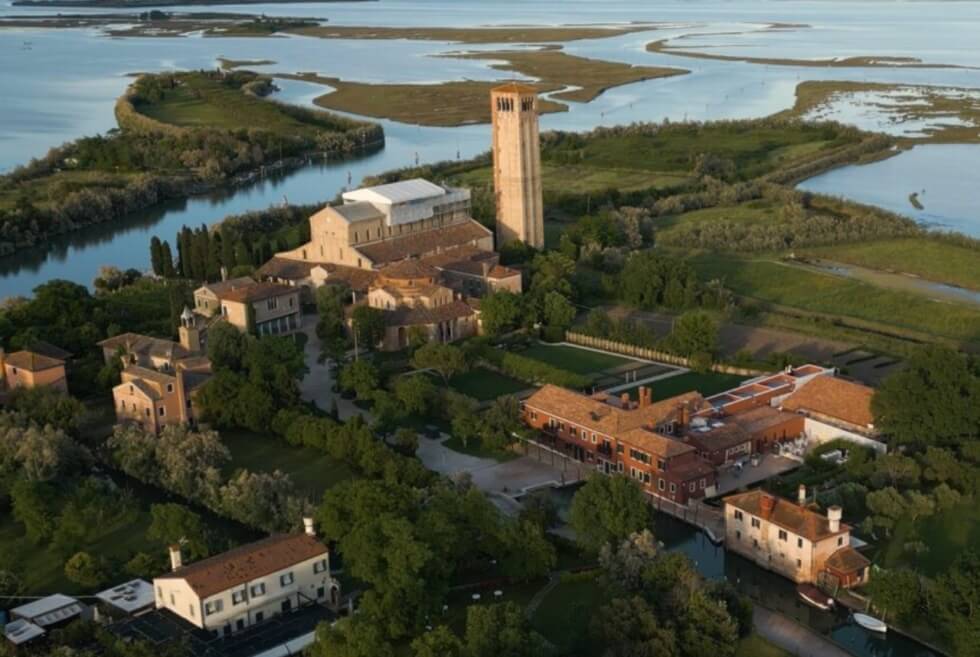
Long celebrated as the “City in Nature”, Singapore’s wellness and self-care industry is evolving beyond traditional spa rituals into immersive experiences designed for the mind, body and lifestyle of the urban Singaporean. While many have traditionally travelled to regional wellness destinations in Bangkok, Bali and Malaysia for restorative retreats and holistic treatments, Singapore is now witnessing the emergence of a new generation of wellness spaces closer to home. From heritage-inspired retreats and science-backed recovery facilities to Korean beauty rituals and performance-driven wellness concepts, the latest openings reflect a growing demand for personalised, restorative experiences that integrate health, hospitality and everyday living.

House of Wellness is introducing a more flexible approach to face and body treatments with a model designed around efficiency and personalisation. Located on Duxton Road, the new wellness space combines facial and body therapies within a single session, allowing guests to experience a full-body reset without committing to lengthy appointments or rigid treatment packages. At the centre of its concept is a dual-therapist approach, where face and body treatments are performed simultaneously to maximise results within a set timeframe. Guests can choose between 70, 90 or 110-minute sessions, with treatments customised according to individual needs and budget. The modular format allows therapists to combine more than 20 treatment elements in real time, while signature programmes such as Fire & Ice, Energy and Air provide structured options focused on lifting and hydration, skin vitality and lymphatic drainage.
Beyond traditional spa treatments, House of Wellness incorporates targeted wellness technologies including pressotherapy, red light therapy and infrared treatments. Its full-body lymphatic drainage treatment uses a pressotherapy suit to support circulation and reduce fluid retention, while The Mother’s Glow Ritual offers a pregnancy-safe facial and body experience combining lymphatic massage, oxygen infusion and low-stimulation wellness therapies for expectant and breastfeeding mothers. Founded by former educator Sandra Chua, House of Wellness was created in response to common frustrations within the beauty and wellness industry, including aggressive upselling, hidden costs and inflexible treatment structures.
Address: 55 Duxton Rd, Singapore 089519
For more information and bookings, click here.

Australia’s award-winning BODHI Spa has expanded beyond its home market with the opening of its first international destination at The Laurus, a Luxury Collection Resort, within Resorts World Sentosa. The new wellness sanctuary introduces Singapore to BODHI’s signature approach, combining traditional therapeutic treatments with advanced touchless technologies and immersive recovery experiences. Spanning six treatment rooms, including two VIP suites, the spa features innovative offerings such as the ZeroBody Dry Float and Recovery Red Light Pod, alongside a private VIP Bathhouse equipped with sauna, jacuzzi and pail shower facilities.


What sets BODHI Spa apart is its integration of technology-driven recovery with traditional spa rituals. The ZeroBody Dry Float offers a weightless floating experience paired with acoustic meditation, designed to support relaxation, sleep quality and muscle recovery, while the Recovery Red Light Pod uses full-body light therapy to aid cellular regeneration and post-workout recovery. The private VIP Bathhouse further expands the experience through contrast therapy, allowing guests to move between heat and cold treatments within a dedicated space inspired by global bathing traditions. The new Singapore outpost marks BODHI Spa’s first step outside Australia since its founding in 2007, bringing its established wellness philosophy to the region through a destination that combines hands-on therapies, advanced recovery technologies and private wellness facilities under one roof.
Address: 28 Sentosa Gateway, Singapore 098139
For more information and bookings, click here.


Singapore’s Central Business District (CBD) welcomes a new wellness destination with the opening of House Longevity and Sauna Bath House. This two-storey sanctuary combines traditional heat therapies with science-driven recovery technologies. Located at Raffles Place, the facility brings together Singapore’s first dedicated Aufguss sauna programme, contrast therapy facilities and a performance-focused recovery studio designed around the demands of modern urban lifestyles.


The lower level is dedicated to Sauna Bath House, where guests can experience guided Finnish Aufguss sauna rituals led by trained masters. The sessions combine controlled heat, aromatic essential oils and towel-driven airflow techniques, creating an immersive sauna experience complemented by hot and cold therapy through hot pools, cold plunge pools and ice showers. The space also features a private sauna for guests seeking a more personalised experience. Upstairs, House Longevity focuses on measurable recovery through technologies including Hyperbaric Oxygen Therapy (HBOT) and full-body Red Light Therapy. Guests can also access performance assessments such as VO2 max testing, body composition analysis and grip-strength measurements, providing data-driven insights into their health and recovery needs. Completing the experience is the Longevity Coffee Bar, offering specialty coffee and ceremonial-grade matcha as part of a slower transition back into daily life.
Address: 50 Raffles Pl, #01-02B Singapore Land Tower, Singapore 048623
For more information and bookings, click here.

Designed around the philosophy of treating health as an interconnected, community-driven journey, Sama Wellness has introduced a newly integrated wellness destination that brings together fitness, recovery, spa treatments and community-driven experiences within a single sanctuary. Located at The Initial on Evans Road, the 600 sqm indoor facility and expansive 11,000 sqm outdoor landscape are designed around six interconnected pillars of mental wellness, body recovery, physical fitness, wellness education, spa treatments and community living. The concept moves beyond individual treatments by creating a holistic ecosystem where movement, recovery and social connection exist alongside one another.

The wellness centre features a dedicated spa with four treatment rooms, including single, ensuite and couple suites, alongside a Bathhouse equipped with cold plunge and magnesium-infused hot pools to support circulation, muscle recovery and relaxation. Guests can also access restorative therapies such as massages and targeted body treatments designed to support recovery after physical exertion or life transitions. For those focused on performance, The WorkOut — a HYROX-affiliated gym and Sports Lab by Allset — offers functional training, movement classes and fitness programmes supported by sports diagnostics and optimisation tools. Complementing the physical facilities are spaces dedicated to yoga, meditation, wellness workshops and mental health support.
Address: 26 Evans Rd, Singapore 259367
For more information and bookings, click here.


Kolorist Singapore introduces a Korean-inspired wellness ritual that expands the traditional head spa concept by combining scalp therapy, facial care and sensory relaxation into one integrated treatment. Located along Orchard Road, the Korean-led beauty and wellness destination’s signature 3-in-1 Head Spa is designed around the belief that scalp health, skin condition and emotional wellbeing are closely connected. Each session begins with a personalised scalp and skin analysis using advanced Korean diagnostic technology before moving into a multi-stage ritual that includes deep scalp cleansing, facial care, massage techniques and relaxation therapies.

The experience combines a Korean head spa treatment with a face spa ritual and tension-relieving scalp and upper body massage. Guests are guided through aromatherapy, warm compresses, lavender eye masks, waterfall scalp treatments, steam ion therapy and specialised tools designed to support circulation and relaxation. Using certified Korean beauty products and Japan-imported Takara Belmont Premium Salon Seats, Kolorist places emphasis on precision-led care and personalisation. Each treatment concludes with a calming flower tea ritual and professional blow-dry, extending the sense of restoration beyond the treatment itself. Led by a Korean team certified by the NVISUALLY Beauty Institute, Kolorist boasts a 4.9-star rating and uses gentle, effective Korean products. Kolorist reflects the growing popularity of Korean wellness philosophies that approach self-care as a holistic practice, combining physical rejuvenation with moments of mental reset.
Address: Kolorist Orchard Gateway, Orchard Rd, #02-01 277, 238858
For more information and bookings, click here.

Gromark Aesthetics has introduced a new range of Crystal Tomato spa treatments in Singapore, bringing the skincare brand’s signature brightening and rejuvenating approach into a professional treatment setting. Designed around skin clarity, hydration and age restoration, the treatments combine Crystal Tomato® formulations with advanced aesthetic technologies and therapeutic facial techniques. The Crystal Glow Treatment is the centrepiece of the offering, using Crystal Tomato® Skin Clarity Cream alongside a targeted dark spot serum, vitamin C mask and OXY Jet oxygen infusion to address concerns including uneven skin tone, pigmentation and dullness. The 120-minute treatment also incorporates Ridoki techniques, lymphatic-style massage movements and hydration-focused finishing products to enhance radiance and skin comfort.


For guests seeking a more intensive rejuvenation experience, the Age Restore Treatment combines nourishing skincare with radiofrequency technology and lifting massage techniques designed to support firmness and skin vitality. Meanwhile, the Skin Revival Treatment offers a shorter revitalising programme using ultrasound technology, exfoliation and hydration-focused care to refresh and rebalance tired complexions. With treatments suitable for all skin types, including sensitive skin, the Crystal Tomato spa menu reflects the growing demand for wellness experiences that merge relaxation with clinically informed skincare solutions.
Address: 1 Goldhill Plaza, #02-01/03 (Suite at #02-03), Podium Block, Singapore 308899
For more information and bookings, click here.


Raffles Sentosa Singapore has unveiled Raffles Sentosa Spa, a new wellness sanctuary set within a restored heritage building surrounded by 100,000 square metres of tropical greenery. Housed in a former British military barracks that has received the Urban Redevelopment Authority Architectural Heritage Award, the spa transforms its historic setting into a space dedicated to wellness. Guests can experience 12 private treatment rooms, hydrotherapy facilities, indoor and outdoor pools, contrast therapy areas, a steam room and a fitness centre, alongside wellness activities including yoga and soundbath sessions.


Raffles Sentosa Spa’s Longevity Compass is a personalised framework that guides each guest journey through four pillars: movement, nourishment, restorative wellness and connection. Developed through consultations with the spa’s wellness specialists, the framework informs five signature programmes — Reviva, Serenova, Vigora, Vitara and Luminara — which combine traditional healing practices with modern wellness techniques. Beyond its treatment offerings, the spa extends its approach to holistic wellbeing through HAAR @ Raffles Sentosa Spa, a dedicated hair and scalp care salon that uses German biotechnology and vegan formulations, as well as Le Jardin, a wellness-focused dining concept featuring plant- and protein-based cuisine crafted with locally grown ingredients. The spa also introduces exclusive collaborations with wellness brands including Maison 21G, Dr. Burgener Switzerland and Camellia’s Tea, creating bespoke rituals using a combination of aromatherapy, skincare and nutritional elements to add a new dimension to Singapore’s growing luxury wellness landscape.
For more on the latest in luxury lifestyle, travel and wellness reads, click here.
The post Singapore’s Latest Wellness Launches and Debuts appeared first on LUXUO.
