Tuesday, October 13, 2026

London’s Luxury Property Market Faces an Affordability Test

London’s housing shortage persists, yet completed apartments remain unsold as prices, borrowing costs and ownership expenses limit purchasing power. For luxury property investors, the capital’s international appeal remains relevant, but location, value and rental prospects require closer scrutiny.
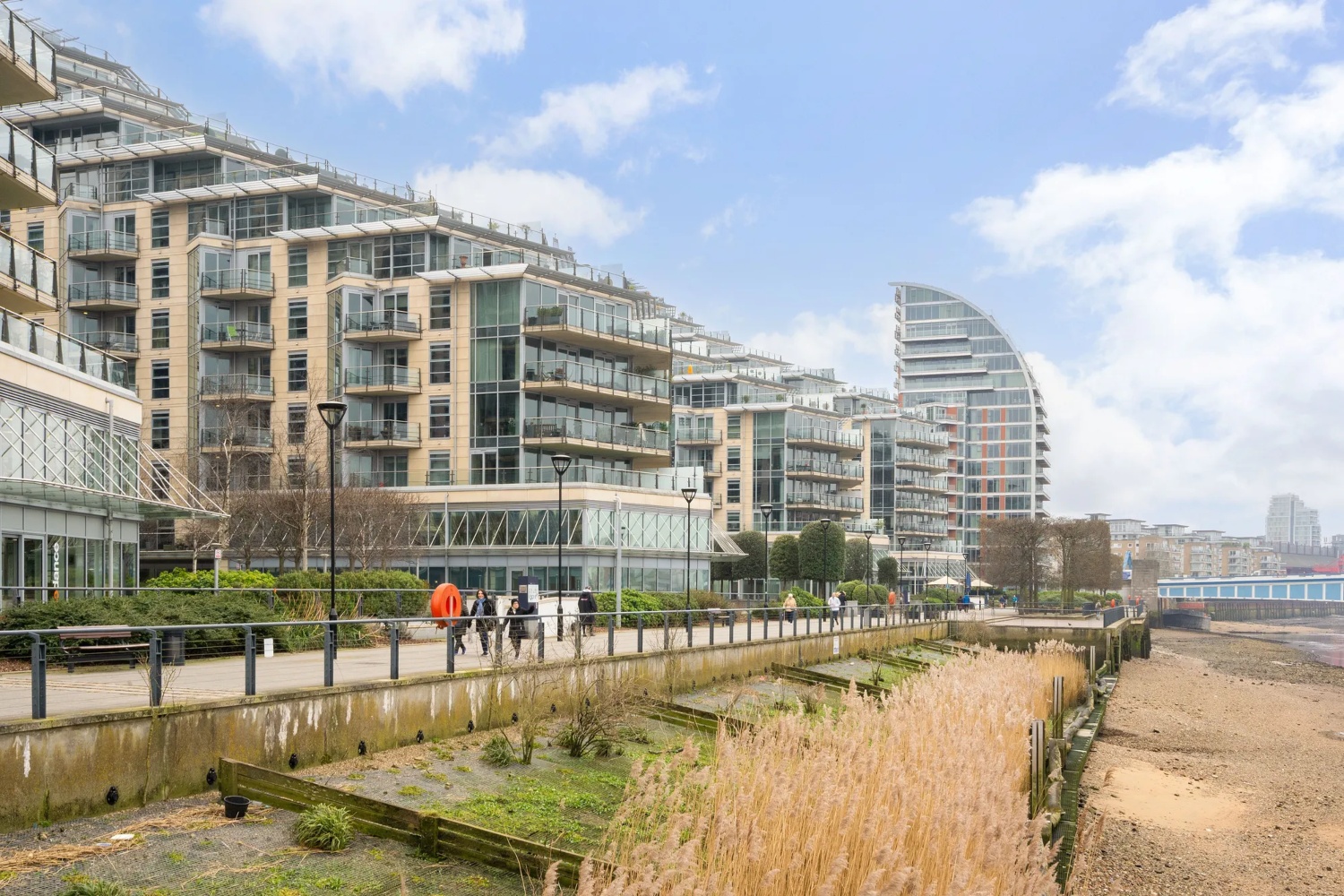
Battersea Reach, a major award-winning residential-led riverside development located along Juniper Drive in Battersea, London SW18, on the south bank of the River Thames. Image: Berkeley Group.

LUXUO examines the changing investment case for luxury property in London, where a city in need of more homes is struggling to convert housing demand into completed sales. A prospective buyer might admire the proportions of a period townhouse in Chelsea, consider an apartment overlooking the Thames or weigh the convenience of a new residence near King’s Cross. Yet the decision to purchase ultimately depends on more than an address, architectural credentials or a well-appointed interior. The price must make sense against financing costs, comparable properties and the expenses of ownership.

The contradiction is striking. London’s housing shortage has built up over decades, but some newly built homes remain unsold because available properties do not always match prospective buyers’ budgets. Meanwhile, international purchasers must account for taxation and changing economic conditions, while developers face elevated land and construction costs.

For the luxury market, this creates a more selective environment. London’s universities, employment opportunities, transport connections and established neighbourhoods continue to attract residents from around the world. Yet a globally recognised address does not guarantee capital appreciation, a quick resale or a reliable rental return.

The investment question is therefore more specific than whether London remains desirable. It is whether a particular property offers sufficient value, lasting appeal, and realistic financial prospects at the asking price.

1. London’s housing shortage has an unsold-home problem

London urgently needs more housing, but the shortage hasn’t stopped more completed properties from sitting on the market. The discrepancy highlights a fundamental problem: housing need and purchasing power are not the same thing.

“London urgently needs more housing. The government’s annual target is 88,000 homes,” says Leong Boon Hoe, Consultant at Arcadia Consulting.
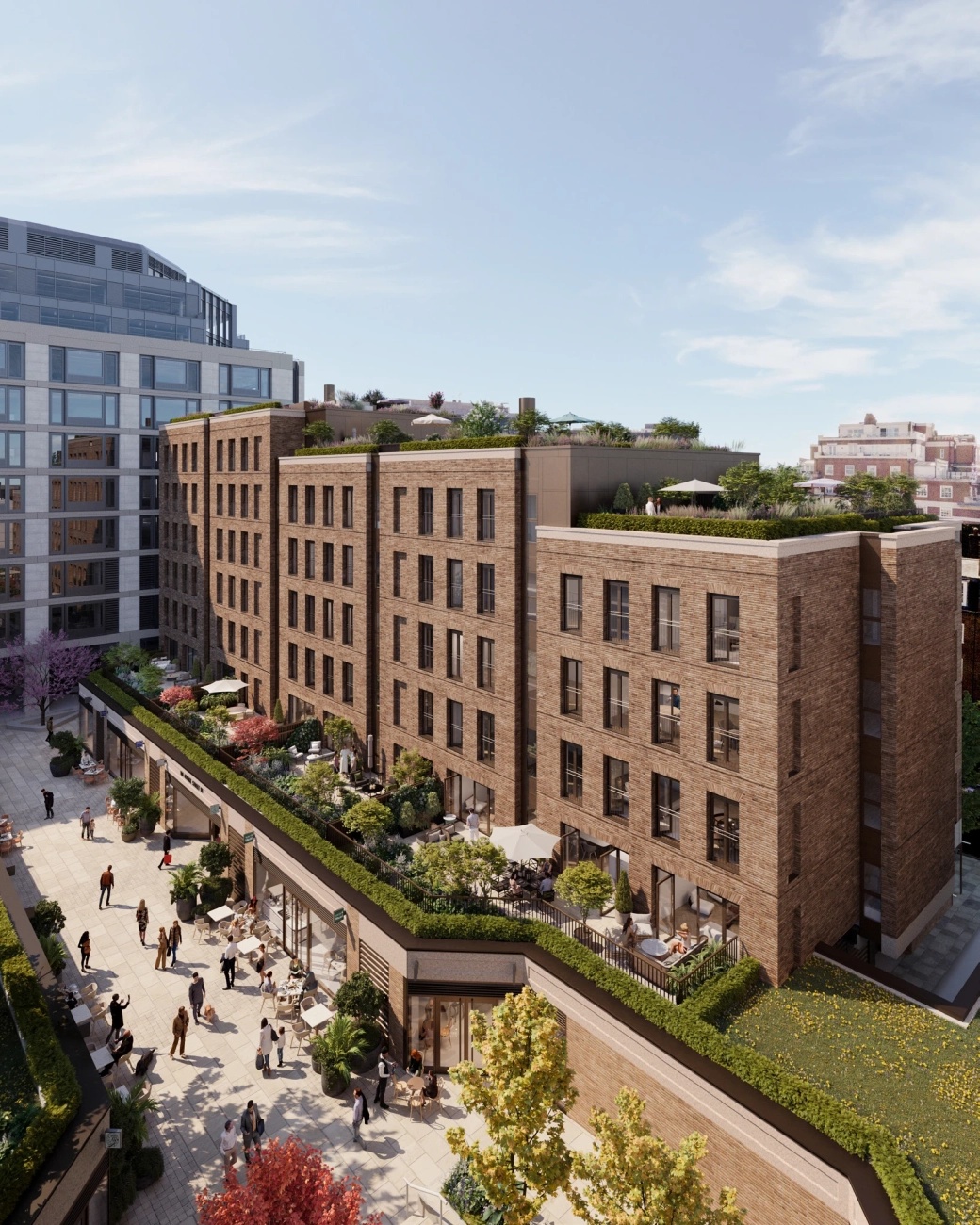
100 George Street: This boutique development, a collaboration between Derwent London and Native Land, offers a rare blend of refined design, premium facilities, in central location – 41 premium apartments, including 6 duplex penthouses. Image: 1newhomes.com

The shortage reflects decades of building that failed to keep pace with demand. Leong identifies restrictive planning, uncertain funding for affordable housing and infrastructure, and reduced council capacity as factors that have constrained delivery. Without dependable funding, councils struggle to plan housing programmes over the long term, while insufficient construction adds to the accumulated backlog.

Weak new-home sales illustrate the other side of the problem. Molior reported 4,629 completed but unsold homes in London at the end of June 2026, according to figures cited by Leong. JLL’s February 2026 analysis provides further context. Private-sector housing starts in London fell by 84 per cent between 2015 and 2025, from 33,782 to 5,547 homes. JLL also reported that 23 per cent of homes completed during the previous year remained unsold. The figures suggest the capital’s housing difficulties stem from both a shortage of new supply and a lack of buyers to absorb some of the homes already built.

For luxury buyers, the lesson applies even at the top end of the market. A development may offer concierge services, landscaped gardens, and private residents’ facilities, but these features cannot indefinitely compensate for a price that exceeds the target market’s willingness to pay. An apartment is an asset only when a buyer is willing to pay an acceptable price.

2. A London home costs more than ten years of median earnings
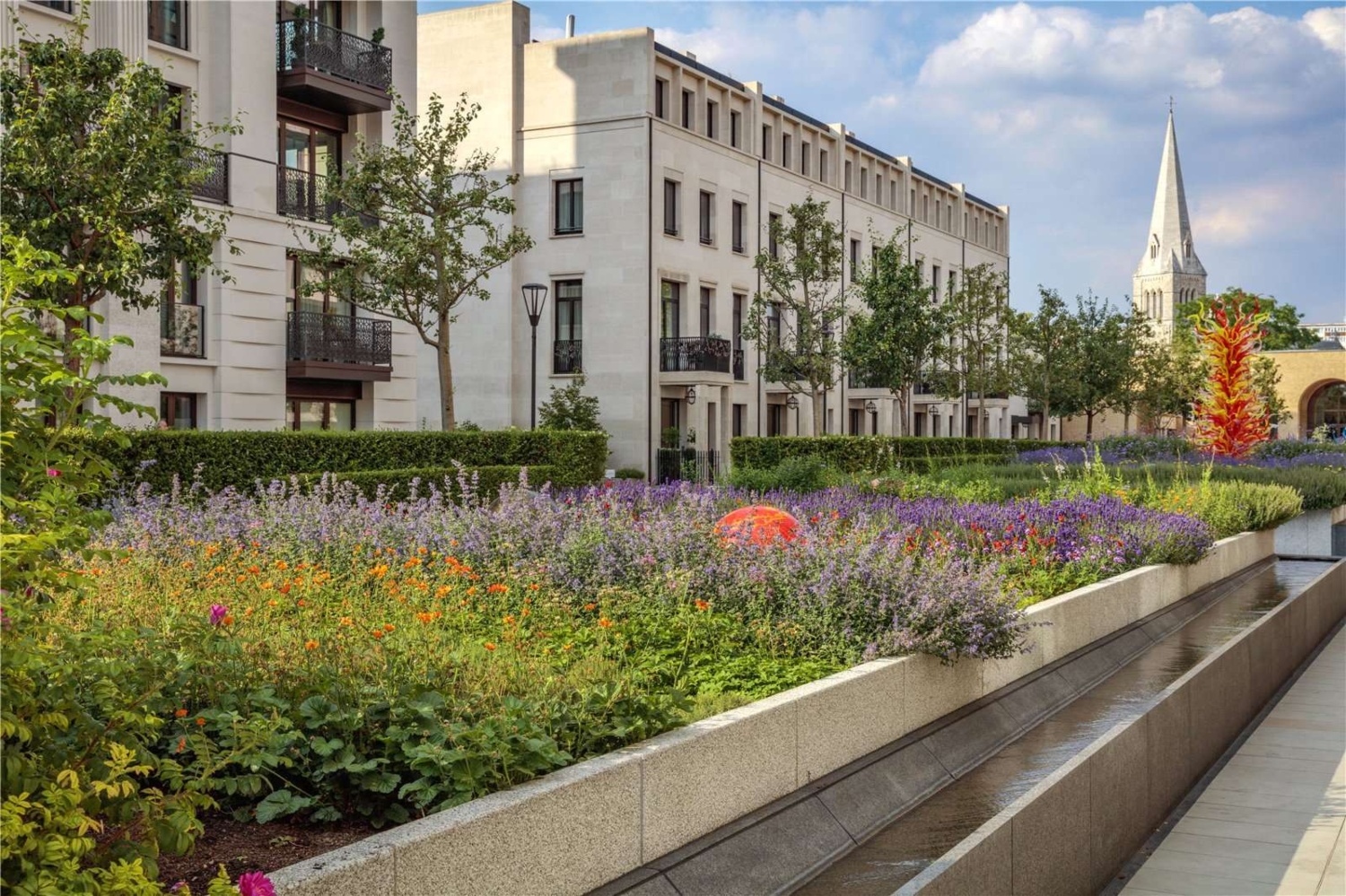
Chelsea Barracks: Spanning 52,000 sqm, it is the largest development in Belgravia, masterminded by Qatari Diar – a global leader in luxury real estate – Featuring top-notch turnkey residences, a sculpture trail, chic restaurants and even a championship size tennis court, Chelsea Barracks was designed as a mini city in the middle of London. Image: 1newhomes.com

For households hoping to enter the property market, the challenge often begins long before a viewing. Rent, transport, food and other living expenses compete with the savings needed for a deposit. Even a stable income may not translate into sufficient borrowing capacity. The Office for National Statistics reported that, in 2025, the median London home cost 10.6 times the median annual earnings of full-time employees. Across England, the equivalent ratio was 7.6. Kensington and Chelsea recorded a particularly stark ratio of 25.2, illustrating the scale of the affordability challenge in one of London’s most expensive boroughs.

“Prices have outpaced earnings over decades,” says Leong. The resulting gap means buyers need larger deposits and mortgages relative to their pay, while high rents make saving for a deposit harder.

Borrowing costs add another constraint. Higher mortgage rates can materially increase monthly repayments, especially for a property requiring substantial financing. Economic uncertainty and concerns over future taxation can also encourage prospective purchasers to delay a decision.

Luxury buyers may have greater financial resources, but affordability remains relevant. A high-net-worth purchaser still needs to decide whether the price, running costs and potential resale value justify tying up capital in a London property rather than allocating it elsewhere.

The distinction matters: London’s ability to attract wealth does not automatically mean every property can command its asking price. For sellers and developers, the size of the potential market matters less than the number of buyers prepared and able to complete a transaction.

3. London’s prime market is giving buyers more reason to negotiate
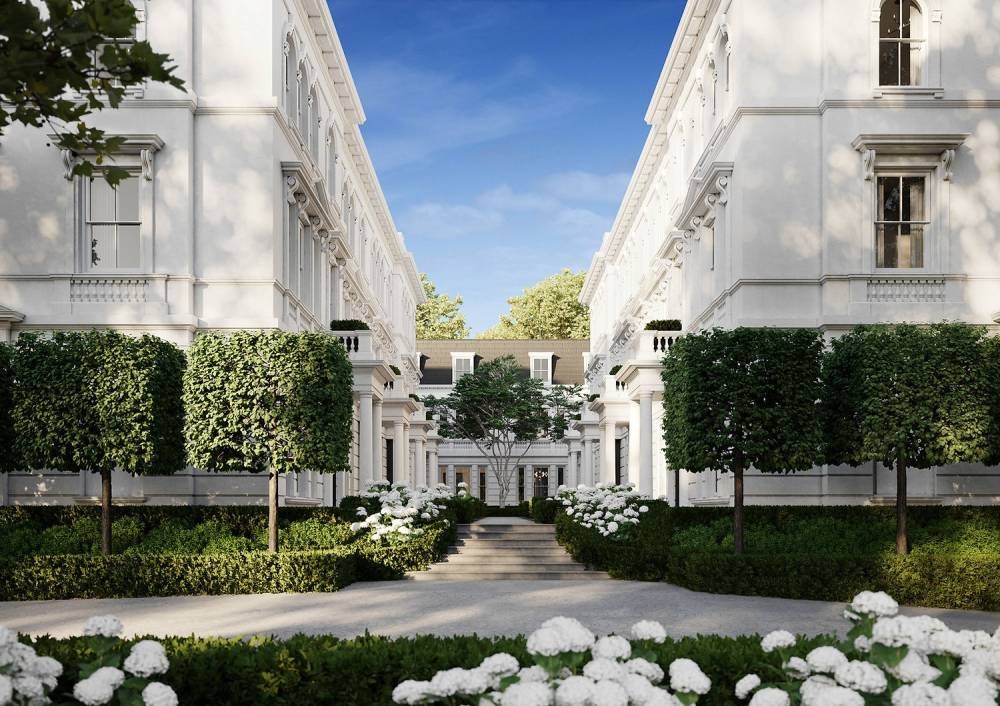
St John's Wood, London
St John’s Wood neighbourhood, 52 Avenue Road is poised to become one of the most exclusive addresses in London. Image: 1newhomes.com.

The prime London market is not moving uniformly. Prime central London, which includes established addresses such as Mayfair, Belgravia and Knightsbridge, behaves differently from outer prime neighbourhoods where families may prioritise schools, space and proximity to work. Knight Frank’s October 2026 assessment reported that prime central London prices rose 0.3 per cent in the third quarter, marking the first quarterly increase in four years. Nevertheless, prices remained 2 per cent lower year on year and 22 per cent below the previous peak recorded in August 2015. Prime outer London prices fell 0.6 per cent over the year to September.

The figures indicate that price adjustments and buyer caution remain significant, despite a modest improvement in prime central London in the latest quarter.

“A slower market also gives buyers time to choose carefully and negotiate,” says Leong.

For a purchaser considering a substantial investment, more negotiating room can help. A vendor who has held a property for an extended period may be more receptive to an offer supported by recent comparable sales. Yet a reduction from an earlier asking price does not automatically make a property good value. The relevant benchmark is what similar homes have sold for, not the originally advertised price.

Taxation also influences international purchasers’ decisions. Overseas buyers generally face an additional two-percentage-point stamp duty surcharge, while a further five-percentage-point surcharge may apply where the additional-property rules are relevant. Changes to the UK’s former non-dom tax regime (i.e. UK tax rules that previously gave eligible residents favourable treatment on overseas income and gains, abolished in April 2025) have also affected the considerations facing some internationally mobile families.

For luxury property investors, the current environment favours careful analysis over assumptions of inevitable appreciation. A realistic purchase price, sound local evidence and a clear holding strategy matter more than a headline discount alone.

4. A prestigious address needs a functioning neighbourhood
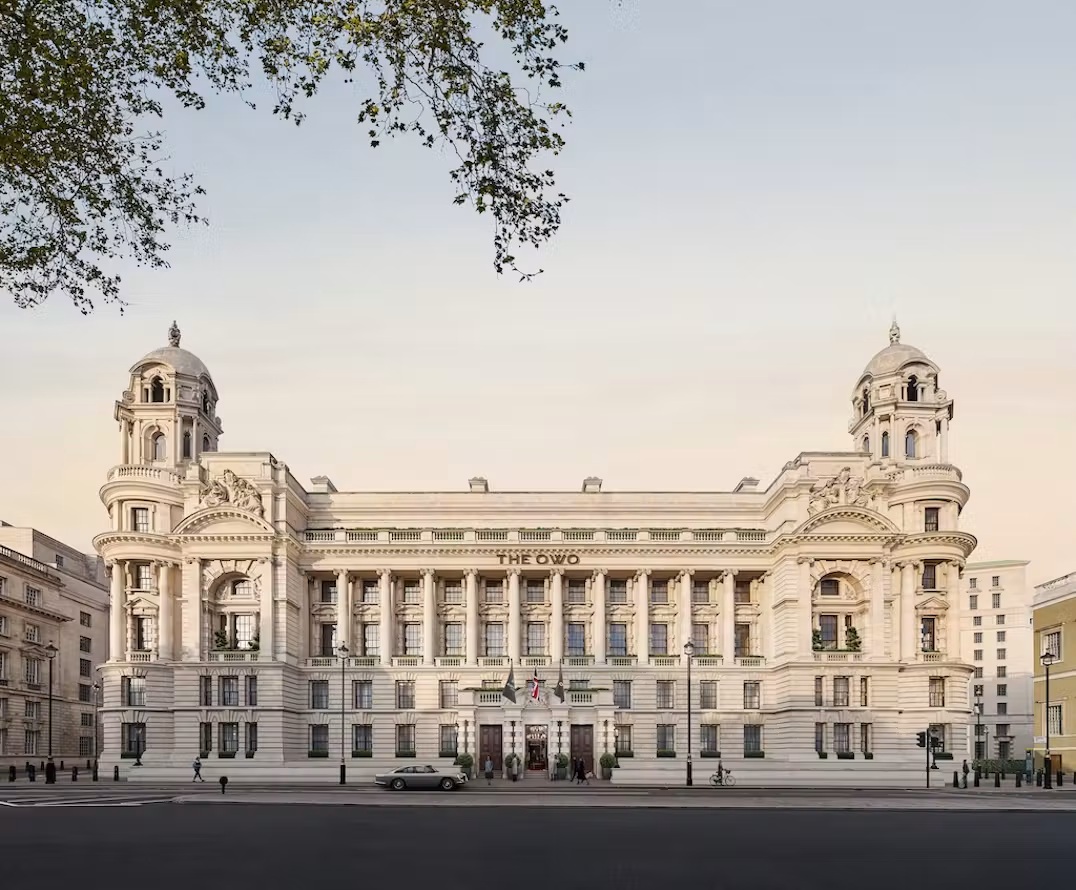
The OWO Residences by Raffles, London
The OWO Residences by Raffles is an ultra-luxury collection of 85 private branded homes housed within the historic former Old War Office on Whitehall in Central London. Image: primeresi.com.

A luxury residence can offer a striking façade, generous proportions and an extensive amenities package. Long-term demand, however, depends partly on the surrounding neighbourhood and the practical reasons for living there.

King’s Cross illustrates the importance of a broader urban setting. Transport connections, offices, university facilities, retail and public spaces have helped create a district with activity throughout the week. Its appeal extends beyond residential architecture because employment, education, and leisure give people reasons to spend time there.

“For an investor, this puts greater weight on the neighbourhood and its likely residents,” says Leong.

The distinction matters when assessing emerging districts. A proposed transport link or cultural destination may strengthen the long-term outlook. Still, the investment case should distinguish existing amenities from funded, scheduled projects, and from ambitions that remain uncertain.

For an overseas purchaser, practical considerations may include access to international transport, schools, healthcare and business districts. For a prospective tenant, the daily commute, access to public transport, and the convenience of local amenities may matter more than a building’s leisure facilities.

A location with established demand isn’t automatically immune to price declines, but a neighbourhood supported by employment, transport, and a broad range of amenities has clear reasons to attract residents. The stronger investment case rests on those underlying conditions rather than on promotional claims about future growth.

5. The new-build premium must justify its price
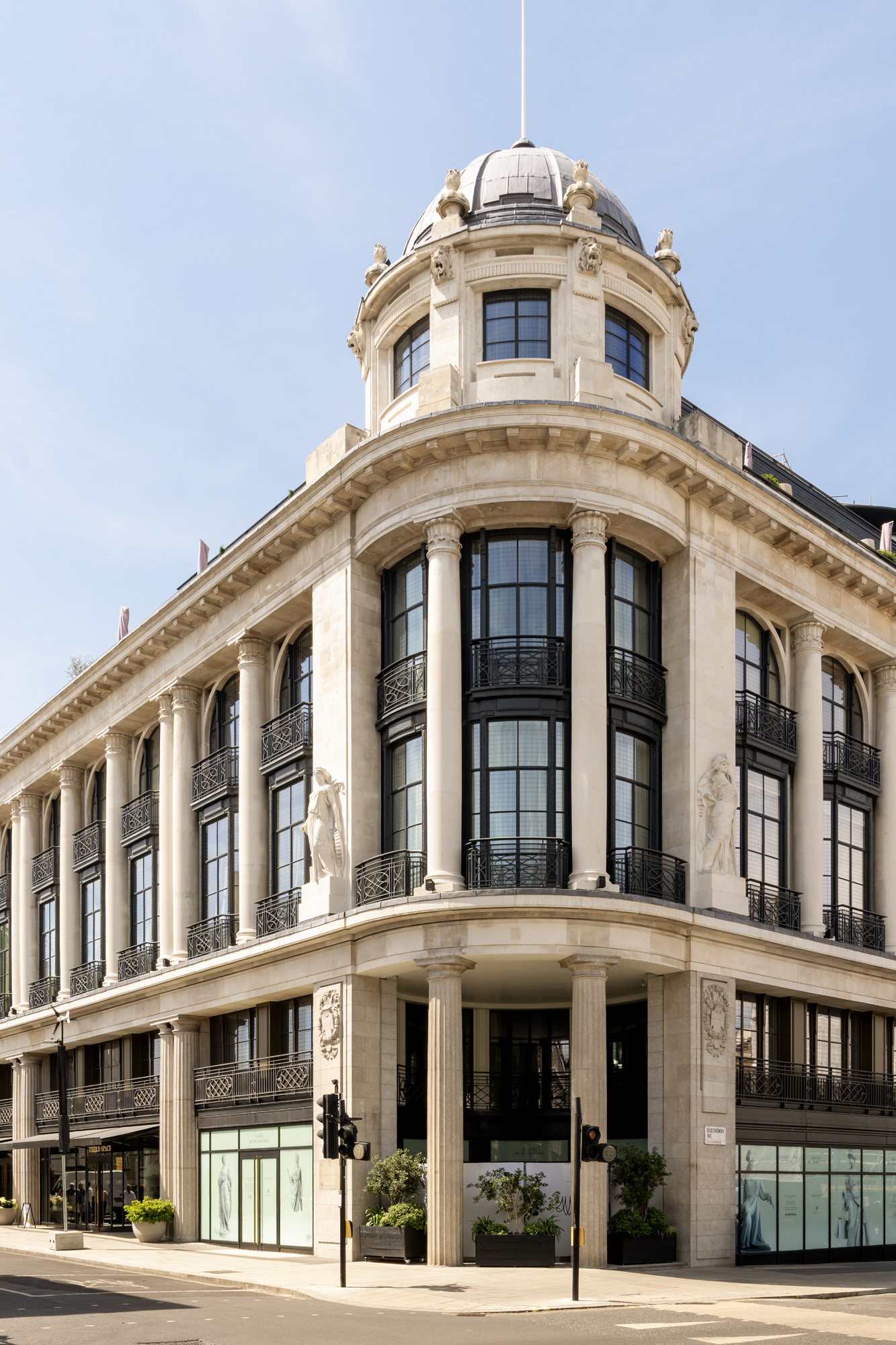
The Whiteley, is a £1B super-prime development in Bayswater, London, is home to a unique mix of residential and commercial spaces. The complex features 139 luxury apartments, the UK’s first Six Senses hotel and spa, and a variety of retail and dining options. Envo worked with architects Foster + Partners to create the apartments and hotel. Image: MARK Capital Mangement.

A newly completed apartment may provide contemporary layouts, modern building systems, a warranty and better energy performance than an older property. For buyers seeking a residence that needs little immediate work, these advantages can matter.

Yet a nearby existing apartment may offer more space for the same budget, a larger terrace, or a more established outlook. Period properties can also offer architectural character and room proportions that new developments can’t easily replicate.

“An existing home may offer more space for the same money. A new home’s warranty, layout and energy performance can justify paying more, provided the difference is sensible,” says Leong.

The comparison should begin with recently completed sales of similar properties. Floor area, condition, outlook, outdoor space and building quality can all influence value. Annual service charges deserve equal attention, particularly in developments with concierge services, gyms, pools and extensive communal areas.

A building’s amenities may improve everyday living, but you still pay the associated charges whether the apartment is occupied or vacant. Furniture packages and stamp duty contributions can reduce the initial purchase cost yet may have little bearing on the property’s long-term resale prospects.

For investors, the essential question is whether the new-build premium is supported by benefits that future buyers or tenants are likely to value. A useful layout, natural light, energy efficiency and a well-connected location may provide a more defensible basis for paying extra than an extensive list of facilities alone.

6. Housing reform must address the economics of building
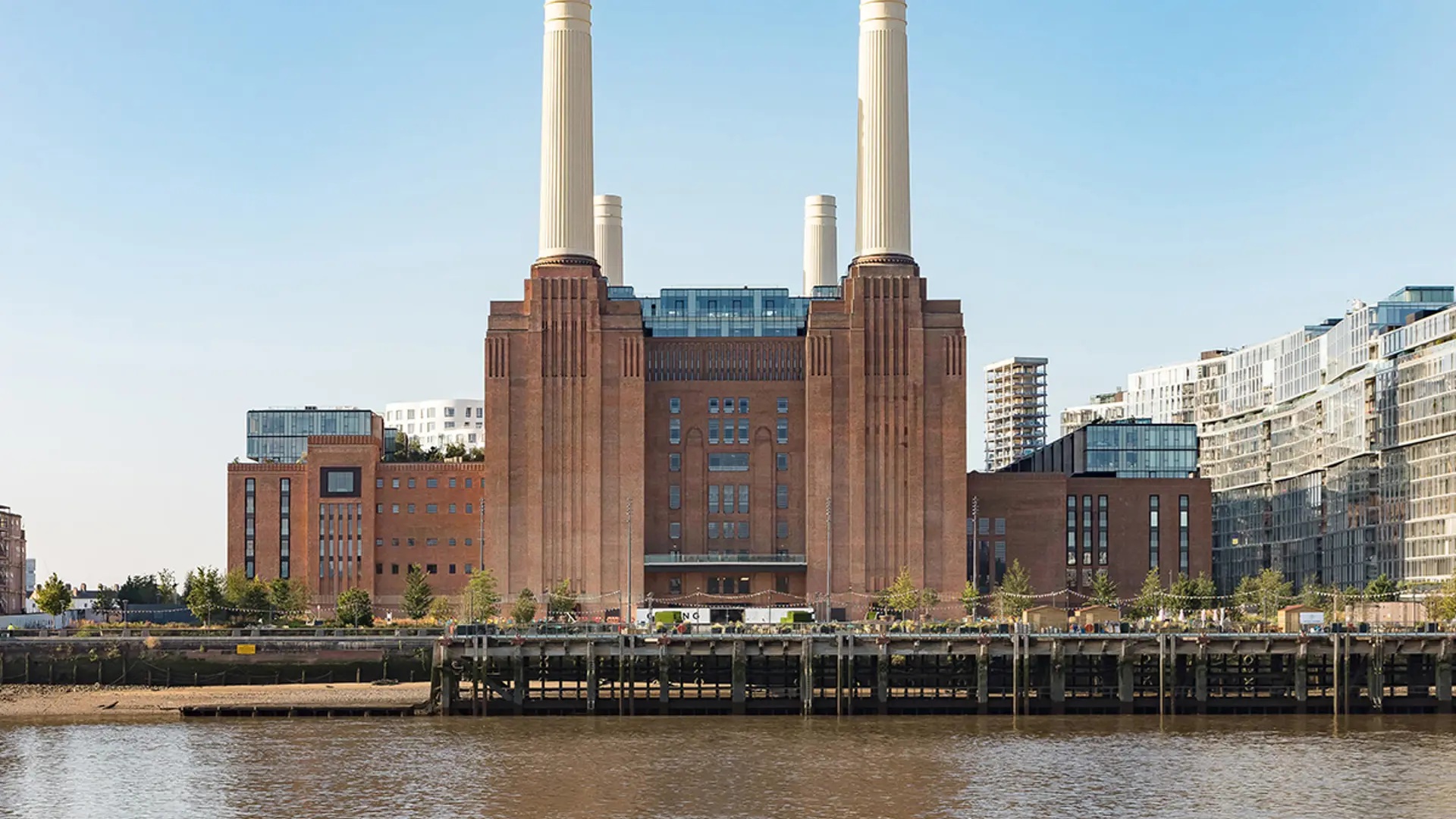
Battersea Power Station, London
Built in 1941 and decommissioned in 1983, Battersea Power Station has been transformed by WilkinsonEyre into a multi-use landmark combining restored heritage features, high-quality homes and contemporary retail, unified by an industrial aesthetic that honours the original power station’s scale and character. Image: WilkinsonEyre.

London’s housing shortage cannot be resolved simply by identifying development sites. A project must secure planning approval, finance construction and attract enough buyers at prices that make delivery commercially viable. JLL’s February 2026 analysis identified construction-cost pressures, weaker buyer demand, and reduced housing delivery. The decline in private-sector starts, alongside the share of completed homes remaining unsold, shows how building economics and purchase affordability are connected.

Leong argues that uncertain funding for affordable housing and infrastructure, restrictive planning and reduced council capacity have constrained delivery. Longer-term coordination between housing, transport and investment is needed to support building programmes and the communities surrounding new developments.

“Planning reform alone cannot close this gap. Projects still need enough buyers at viable prices,” says Leong.

For developers, the calculation is difficult. They must cover land and construction costs while keeping selling prices acceptable to the target market. If too few buyers can afford the finished homes, projects may be delayed or scaled back, potentially worsening the future supply shortage.

For luxury investors, the implications extend to competing developments, future construction and the type of buyers likely to enter a neighbourhood. A project may look attractive on paper, but the surrounding market must support its pricing and positioning.

The wider policy challenge is to increase housing supply while better aligning what is built with what households can afford. More homes are necessary, but their type, location, and price matter just as much.

7. Rental demand offers a longer-term perspective, not a guaranteed return
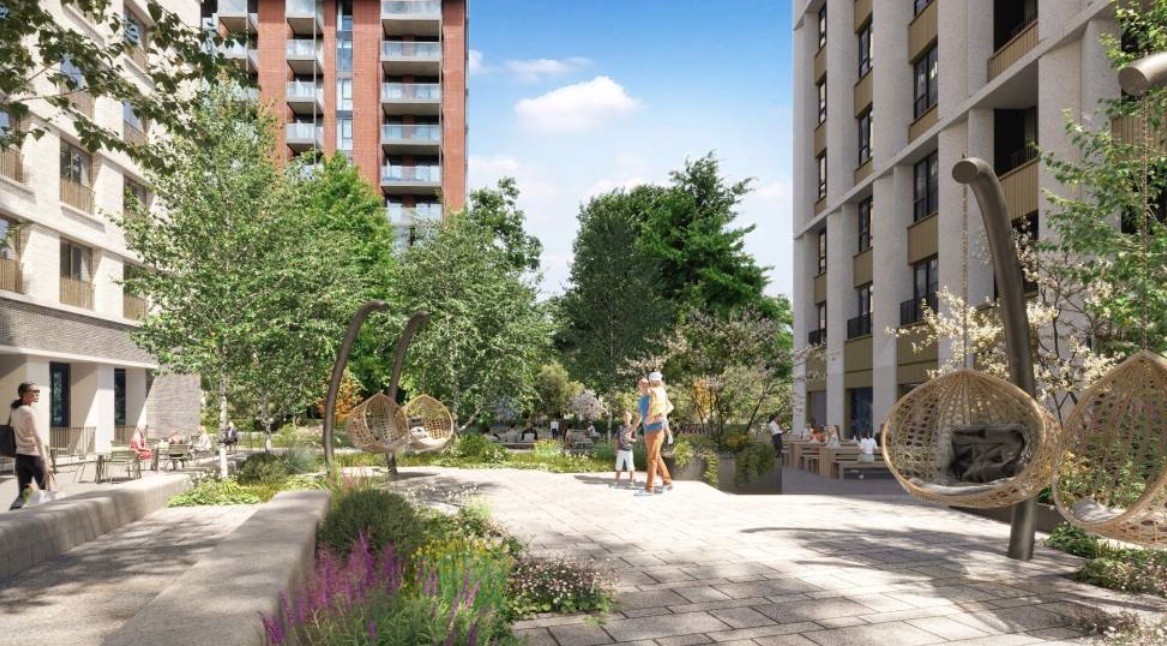
London Square Nine Elms, London
London Square Nine Elms is a project offering 186 prime homes, including studios, 1-, 2-, and 3-bedroom apartments, as well as exclusive penthouses. Modern interiors, finishes with the finest materials and spacious balconies with stunning views over the Thames. Image: 1newhomes.com.

For investors reluctant to depend entirely on capital appreciation, rental income provides another way to assess London’s property market. However, the headline rent is only the starting point for calculating a property’s financial performance. Official figures cited by Leong show London rents rising 3.5 per cent in the year to August 2026. More recent prime-market data reveal differences across the capital. Knight Frank reported that rents in prime outer London increased 3 per cent in the year to September, while prime central London rents rose 1.3 per cent over the same period. The figures underline how rental performance varies by location and tenant market.

Savills’ September 2026 research also found that prime central London’s rental market continued to benefit from strong demand and constrained stock. Smaller properties and homes serving the domestic market were particularly active, although rental growth varied across price brackets.

“Rent still needs to cover service charges, management, maintenance, vacancy and tax,” Leong cautions.

A property generating substantial annual rent may still deliver a modest net return after expenses. Service charges, repairs, letting fees, financing costs, periods without a tenant and tax all affect the final figure. Overseas owners must also account for currency movements when converting rental proceeds into another currency.

Tenancy regulations are another consideration. The Renters’ Rights Act came into force in England in May 2026, changing rules governing rent increases, possession procedures and tenant protections. Landlords need to understand the requirements and budget for the practical costs of managing a tenancy.

For existing owners, regular maintenance and competitive rental pricing can help preserve a property’s appeal. For prospective buyers, a credible investment assessment should use realistic rent assumptions and account for recurring expenses rather than relying on an optimistic forecast.

London’s international appeal still offers reasons to consider property ownership, but rental demand alone cannot guarantee a profitable investment. The asset’s quality, purchase price, and holding costs remain decisive.

The investment case rests on value, not reputation alone.

London’s property market presents a paradox. The capital urgently needs more homes, yet completed apartments remain unsold because housing demand does not always translate into purchasing power. Decades of prices outpacing earnings, borrowing costs and ongoing ownership expenses have widened the gap between what buyers can afford and what developers need to charge.

For luxury property investors, London’s enduring appeal rests on education, employment, international connectivity and neighbourhoods with established demand. Yet these advantages do not remove the need to assess the entry price, compare new-build and resale options, understand service charges, and calculate realistic rental returns.

Leong Boon Hoe, Arcadia Consulting Pte Ltd, Chief Executive Officer

Leong Boon Hoe is the founder and CEO of Arcadia Consulting Pte Ltd, a boutique real estate advisory and brokerage firm focused on marketing luxury residences and cross-border investment brokerage. With a track record of over 20 years in managing projects and marketing premium real estate in Singapore and key cities in Malaysia, Indonesia, Thailand, Vietnam and Cambodia, Leong advises clients from the acquisition stage through strategic marketing planning and execution to divestment.

For more on the latest in architecture and properties, click here.

The post London’s Luxury Property Market Faces an Affordability Test appeared first on LUXUO.


from LUXUO

Monday, October 12, 2026

Monos Is Giving Away A Restored 1998 G-Wagen With Matching Plaid Luggage

Monos matched its new gunmetal luggage to the plaid seats of a restored 1998 G-Wagen. One eligible entrant will win the truck, luggage and a Vancouver trip.

from Men's Gear

Citroën Revives the 2 CV as a €15,000 Electric Car for 2028

Citroën 2 CV Concept electric car at the 2026 Paris Motor Show

Citroën’s 3.76-metre electric 2 CV targets a one-tonne weight, European production and a starting price of around €15,000 by 2028.

from Men's Gear

The Stunning Foxcote Manor Can Be Yours For A Little Over $19M

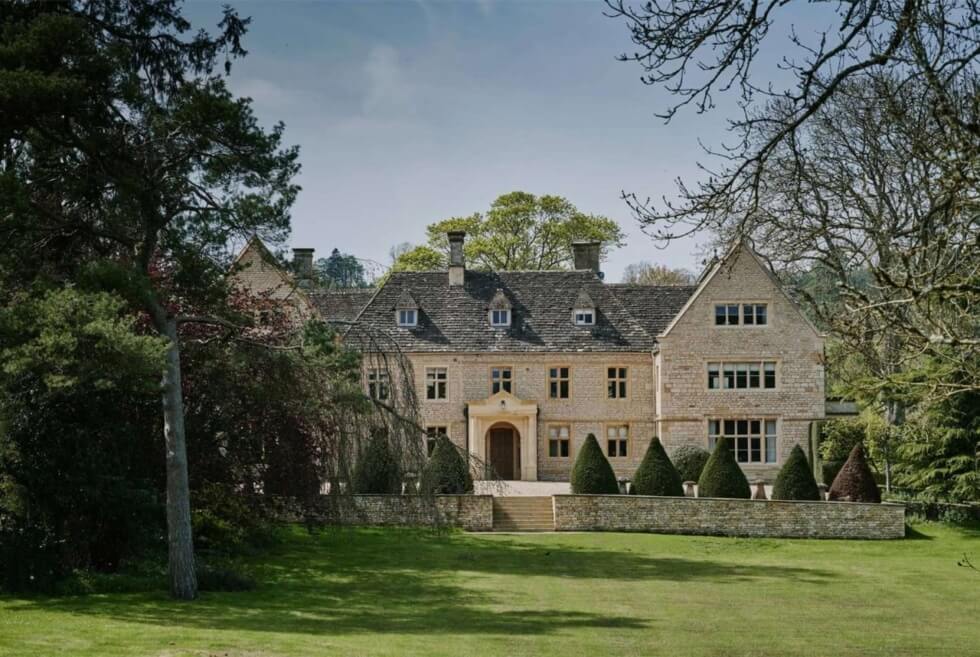
The striking contrast between the stone-clad exterior of Foxcote Manor and its lavish interior spaces adorned is remarkable.

from Men's Gear

Sunday, October 11, 2026

SipaSeat: Self-Supporting Lounge Chair For Any Terrain

SipaSeat is an inflatable, self-supporting lounge chair that provides a stable, comfortable sitting experience on land and water.

from Men's Gear

Sunreef Showcases The Ipharra: A Bespoke Sailing Catamaran

In addition to its eco-friendly credentials, the Sunreef 100 Eco Ipharra is no slouch when it comes to lavish appointments.

from Men's Gear

Nike ACG Lava Flow Ultralight Jacket: Elite Warmth-to-weight ratio

ACG Lava Flow Ultralight uses 1000-fill ExpeDRY down which dries up to 50% faster than untreated down for efficient, lightweight insulation.

from Men's Gear

Saturday, October 10, 2026

Aviator’s Ember 2.0 Firestarter Offers Better Grip & Performance

Aviator's Ember 2.0 is wider, longer, and has an anodized sandblasted body with angular holds and micro-grooved channels for a secure grip.

from Men's Gear

Nike Mexico Teases The Air Jordan 1 Low OG We Are Stories

The elaborate design of the Nike Air Jordan 1 Low OG We Are Stories is sure to bump up its value at auction

from Men's Gear

The Fosi Audio DISC Nano Is An Ultra-Portable CD Player

The DISC Nano ensures tracks don't skip while you're on the move courtesy of its ESP electronic anti-shock technology.

from Men's Gear

Friday, October 9, 2026

What An Extra $150 Actually Buys You When You Upgrade A Dry Herb Vaporizer

You are not necessarily getting a vaporizer that is dramatically better in every respect, but are paying for fewer compromises:

from Men's Gear

InstaSpot Uses Ultrasonic Technology To Remove Stubborn Stains

InstaSpot delivers gentle ultrasonic vibrations to effectively remove old, new, and stubborn stains without harming the fabric.

from Men's Gear

Realme Launches The 16 Pro Harry Potter Edition For Potterheads

The Realme 16 Pro Harry Potter Edition features a special boot animation, a Hogwarts Castle wallpaper, and a unique fingerprint animation.

from Men's Gear

BirdVue: Modern Birding For The Outdoor Enthusiast

The BirdVue, on the other hand, is for enthusiasts who prefer to get up close and personal with the various avian populations in the area.

from Men's Gear

Thursday, October 8, 2026

MakerPi Tiruler 2.0 Folding Ruler Doubles As A Multi-Tool

Tiruler 2.0 packs a blade, an everlasting pen with a multi-purpose pin, compass, a caliper, and offers both metric and imperial measurements.

from Men's Gear

Love Hultén Urges Acoustic Creativity On The NES-SY2.0

Since this is Love Hultén we're talking about, the NES-SY2.0 is packing bespoke capabilities that turn it into a hybrid device.

from Men's Gear

Belmond’s Paris To Monaco Trips Are Available To Book Right Now

Go on an exciting excursion from Paris to Monaco by rail, aboard Belmond's luxurious Venico Simplon-Orient-Express.

from Men's Gear

Capella Bangkok GM Antonio Saponara on Quiet Luxury and the Power of Place

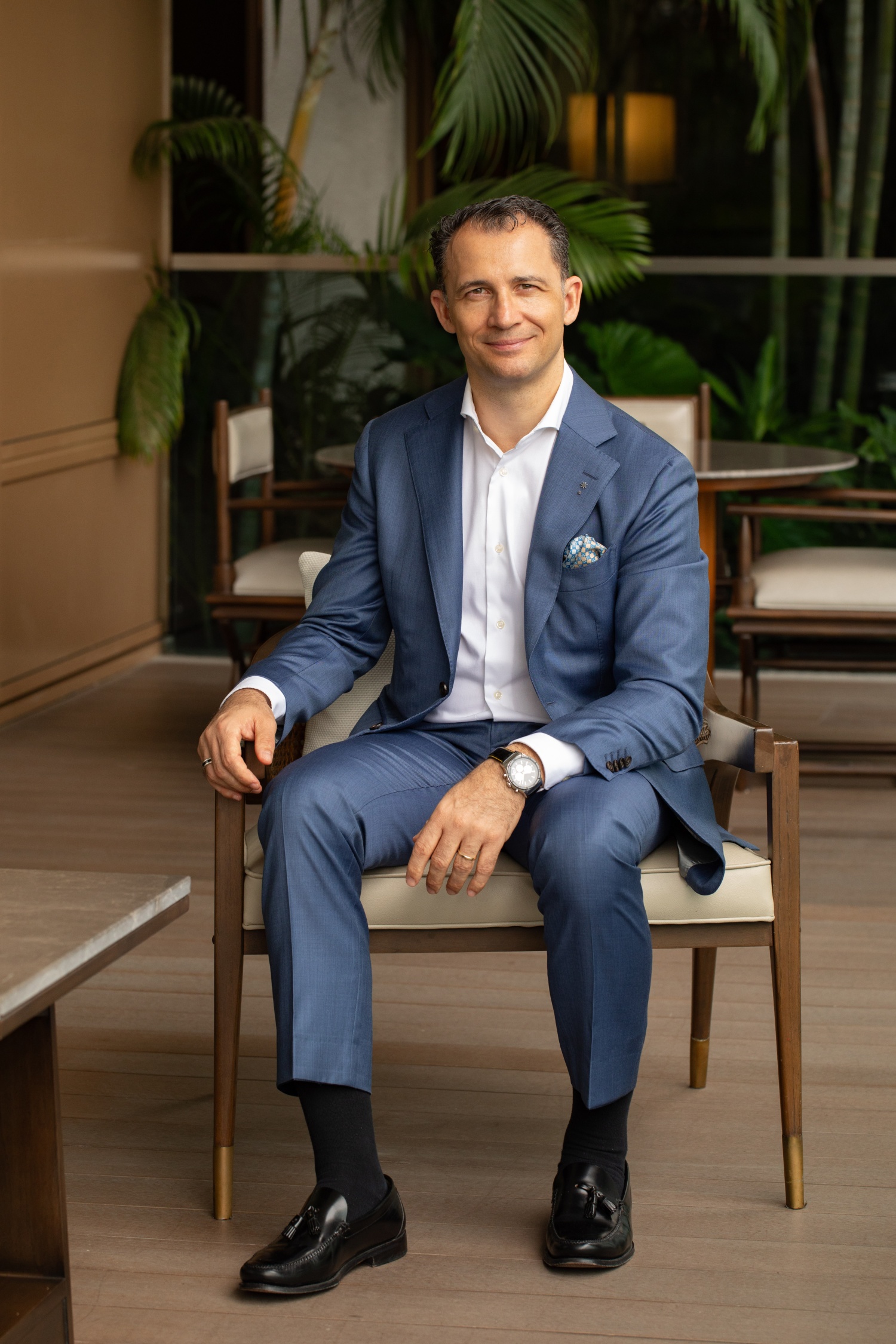
General Manager of Capella Bangkok Antonio Saponara. Image courtesy of Capella Bangkok.

Since its opening in October 2020, Capella Bangkok has become a favourite with travellers to the Thai capital city. What factors contributed most to this success?

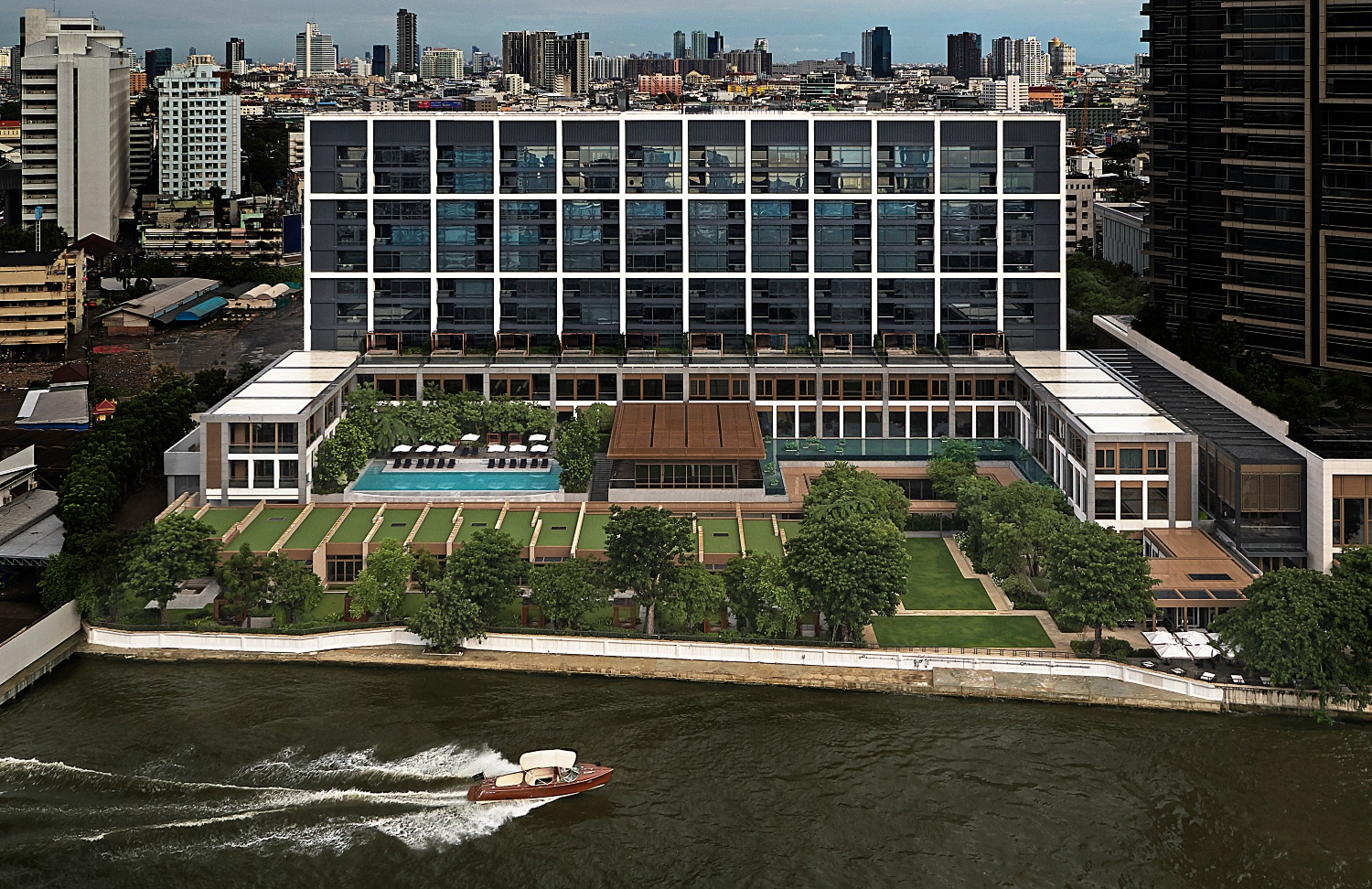
I believe our success comes from a combination of place, people and purpose. We’re privileged to be right on the edge of the Chao Phraya River, in the heart of the historic Charoenkrung neighbourhood. From the very beginning, we wanted Capella Bangkok to feel genuinely connected to its surroundings. 

Above all, it’s our people who’ve shaped Capella Bangkok into the unique place it is today. Genuine hospitality cannot be scripted. Our team take the time to understand each guest and create experiences that feel personal and intuitive. Ultimately, we’ve stayed true to what we want Capella Bangkok to be: a place of tranquillity, meaningful connection and highly personalised hospitality in the heart of the city’s most storied district.

How are the multiple awards the property has won resonating with the hotel team members?

Such recognition means a great deal to us, as it belongs to the entire team. Behind every award are hundreds of colleagues whose dedication and care make Capella Bangkok what it is. 

I always remind the team that an award is not the destination but encouragement to keep improving. It gives us confidence and pride, but more importantly, it reminds us of our responsibility to keep earning our guests’ trust every single day.

How is Capella Bangkok adapting to the evolving expectations of luxury travellers in Asia?

Luxury has become increasingly personal. Today’s travellers are looking for authenticity, privacy and experiences with genuine meaning.

At Capella Bangkok, we believe true luxury is not simply about beautiful surroundings, but how a hotel makes a guest feel, and the memories they take home. Through thoughtful personalisation, meaningful connections with the city and a greater focus on wellbeing, we continue to evolve with our guests while staying true to our core missions.

Would you agree to say that the design of Capella Bangkok has been highly influenced by the quiet luxury trend?

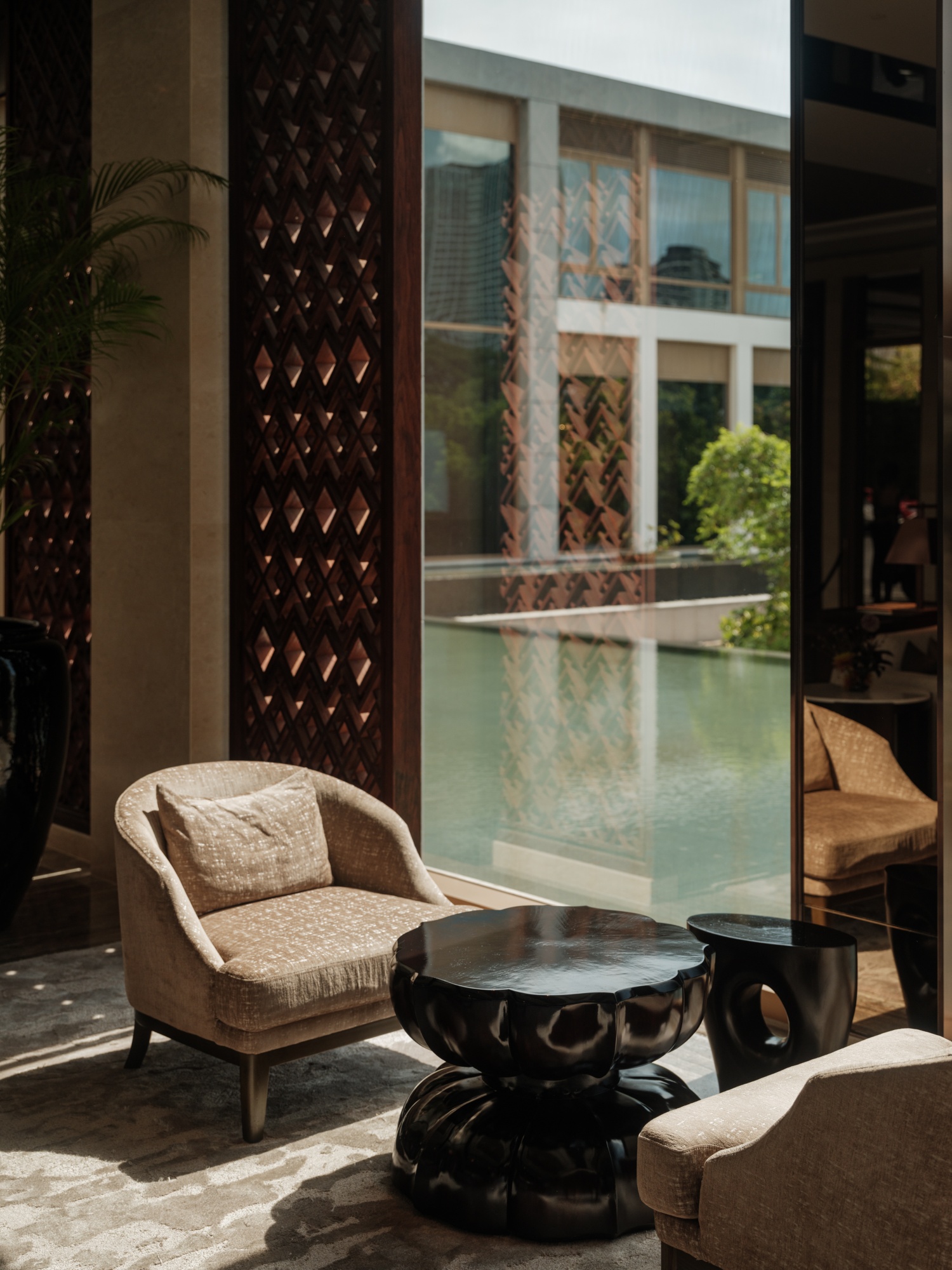
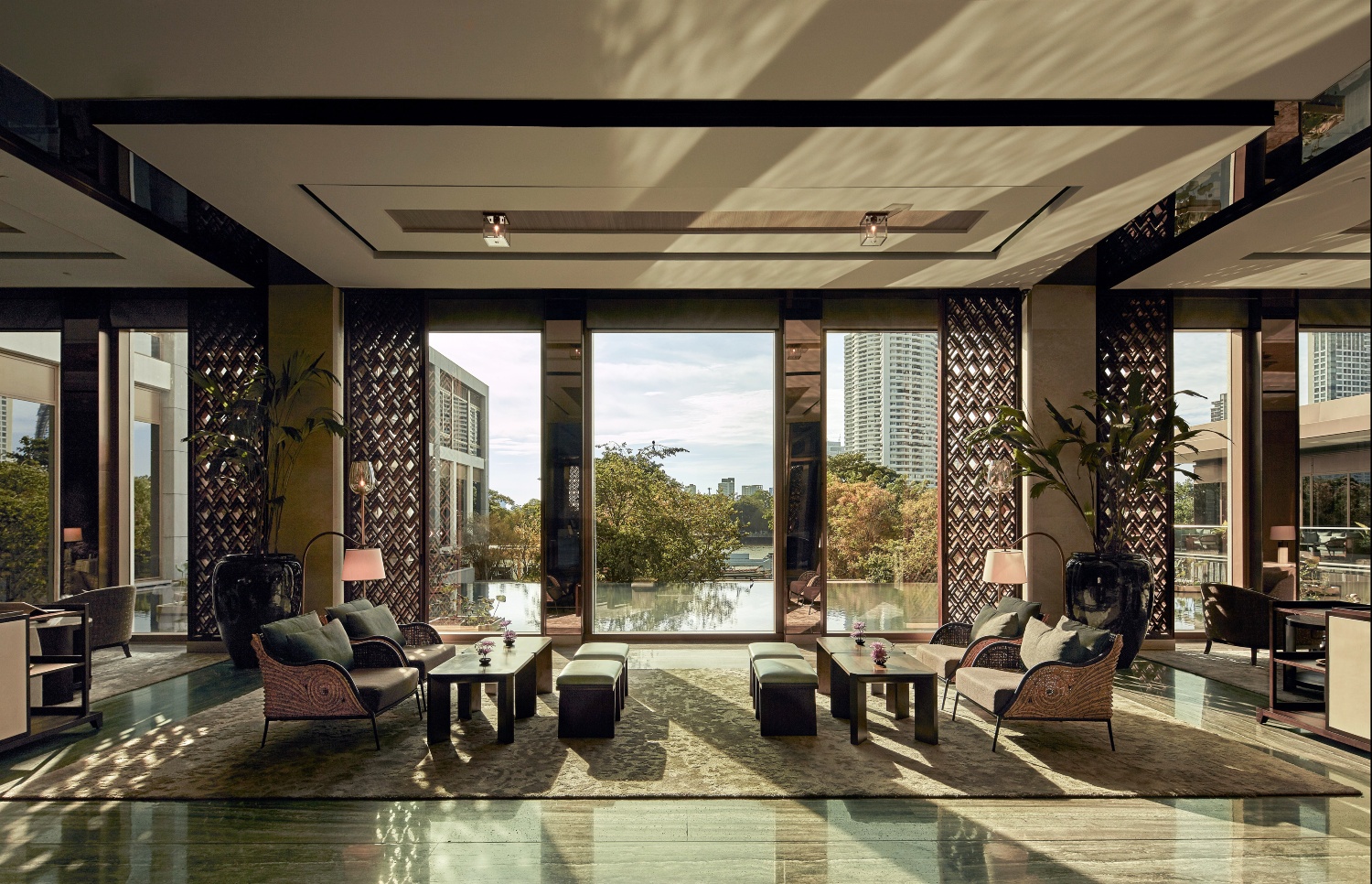
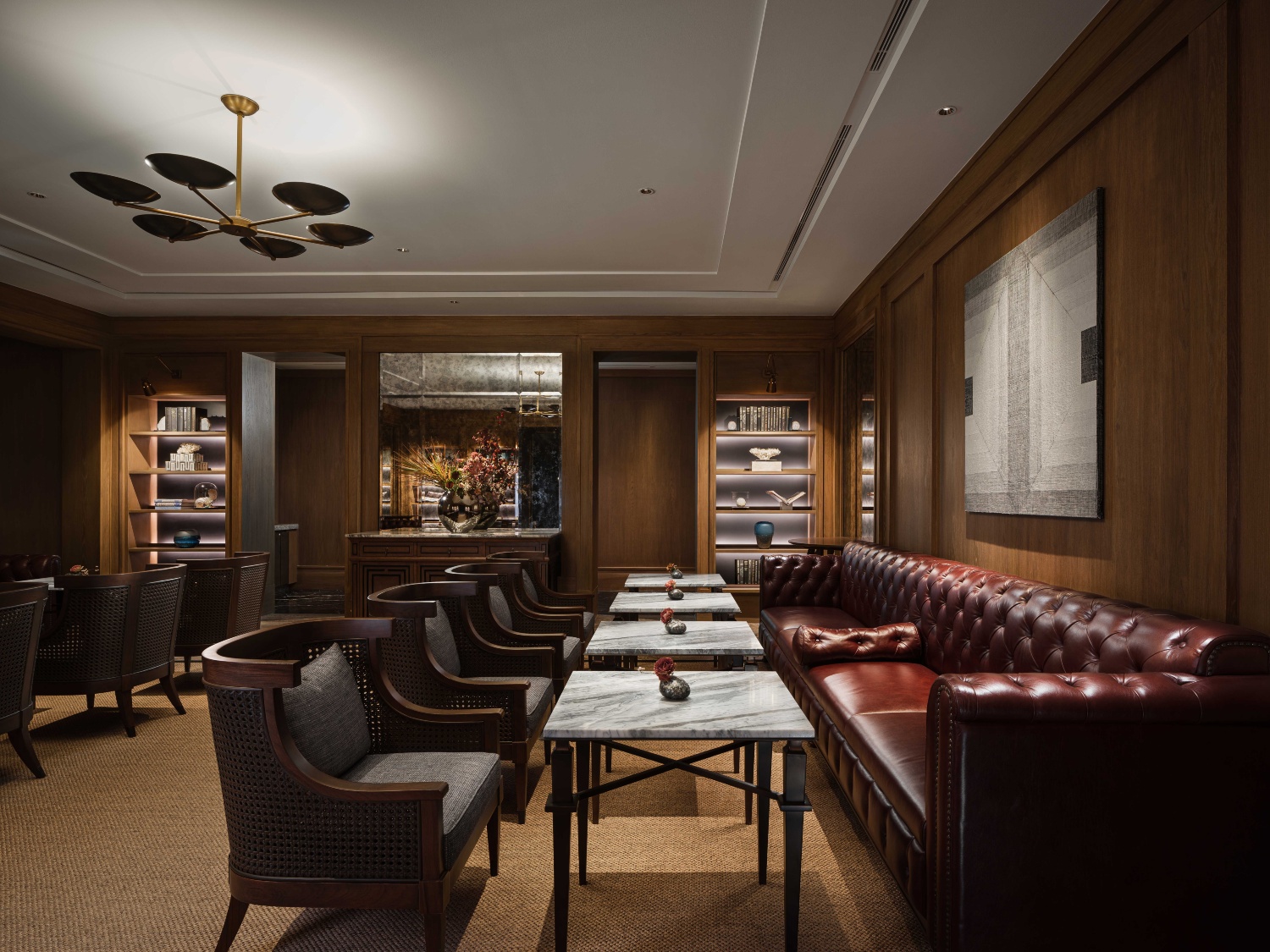
I’d say Capella Bangkok naturally embodies the idea of quiet luxury, although our design philosophy was established long before the term became a buzzword. The architecture is intentionally restrained, allowing the Chao Phraya River to take centre stage.

To me, true luxury isn’t something you can easily capture in a sentence or photograph. You have to feel it; through craftsmanship, comfort, privacy and thoughtful details.

Tell us about the different rooms, suites and exclusive villas that can be booked at Capella Bangkok?

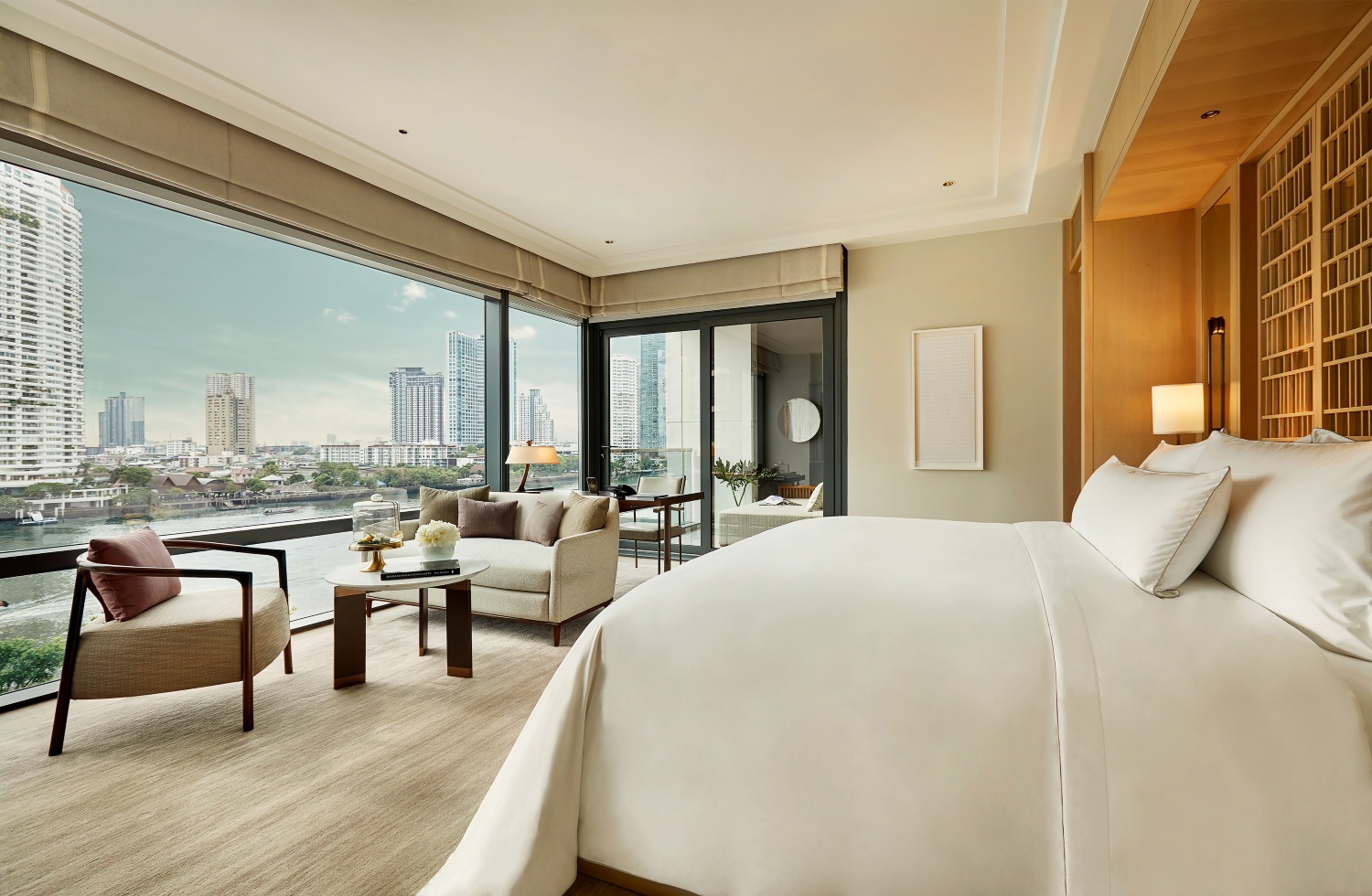
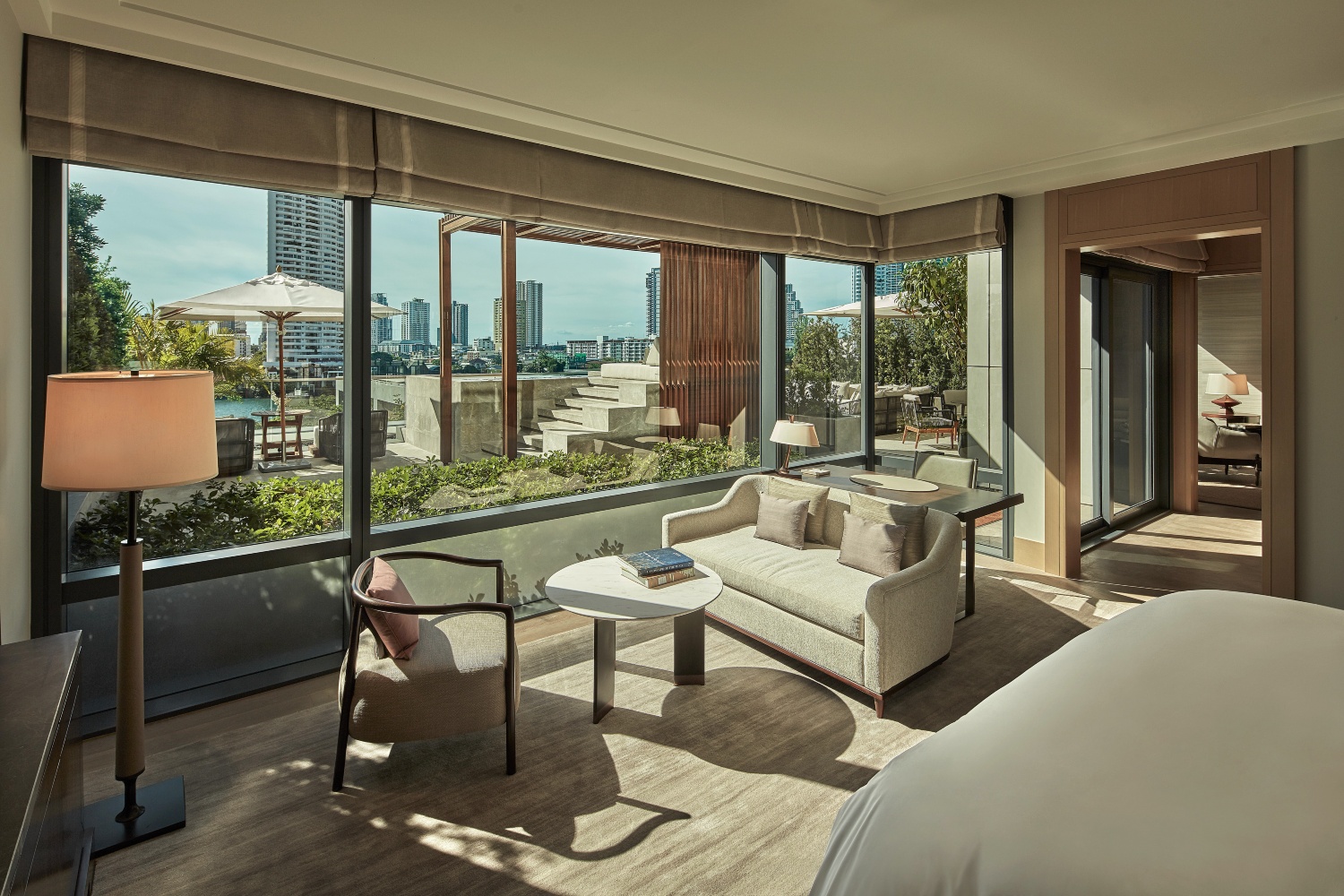
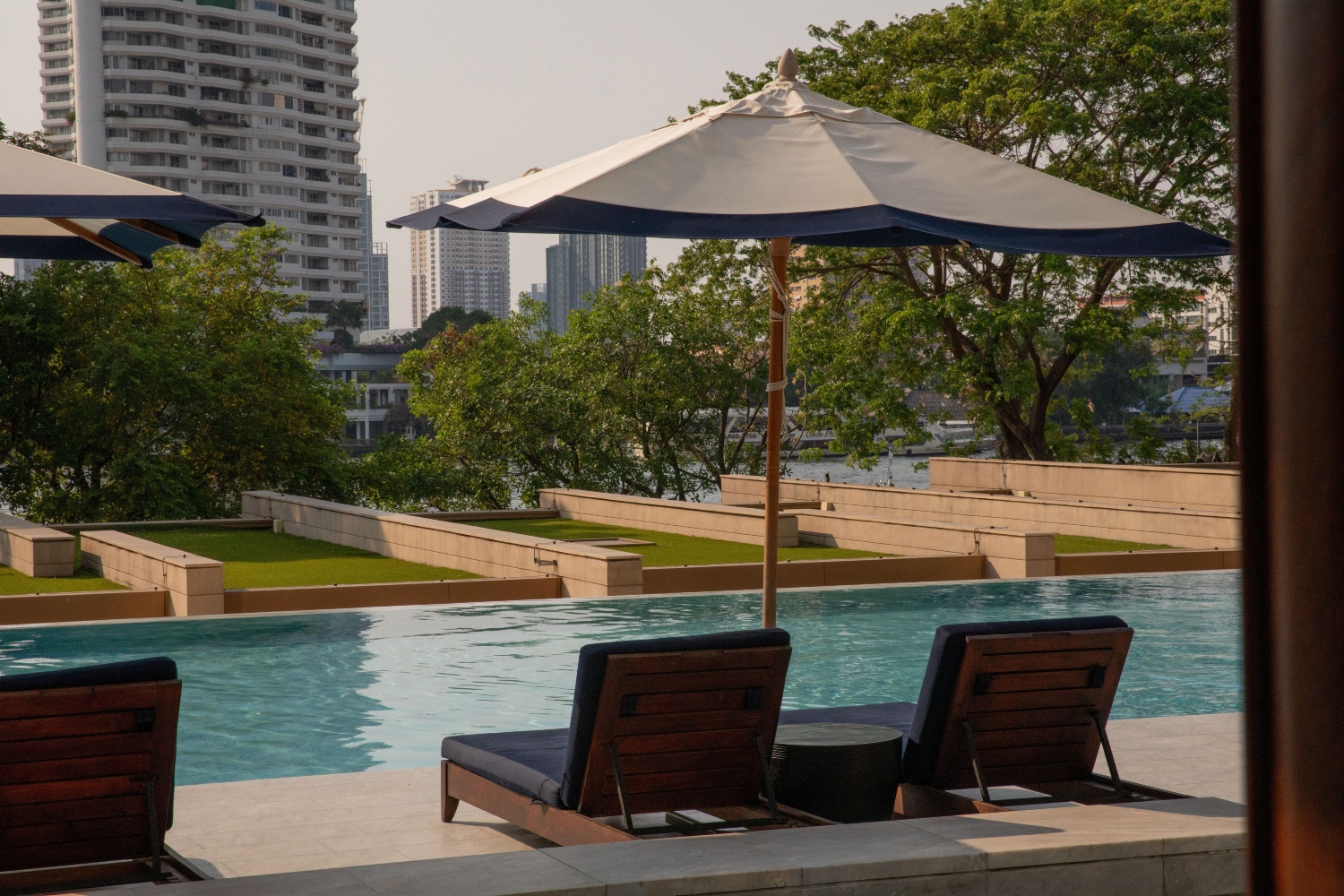
One of the defining characteristics of Capella Bangkok is our relationship with the Chao Phraya River. All 101 of our rooms, suites and villas feature a private balcony overlooking the river, so that connection is always part of the experience. 

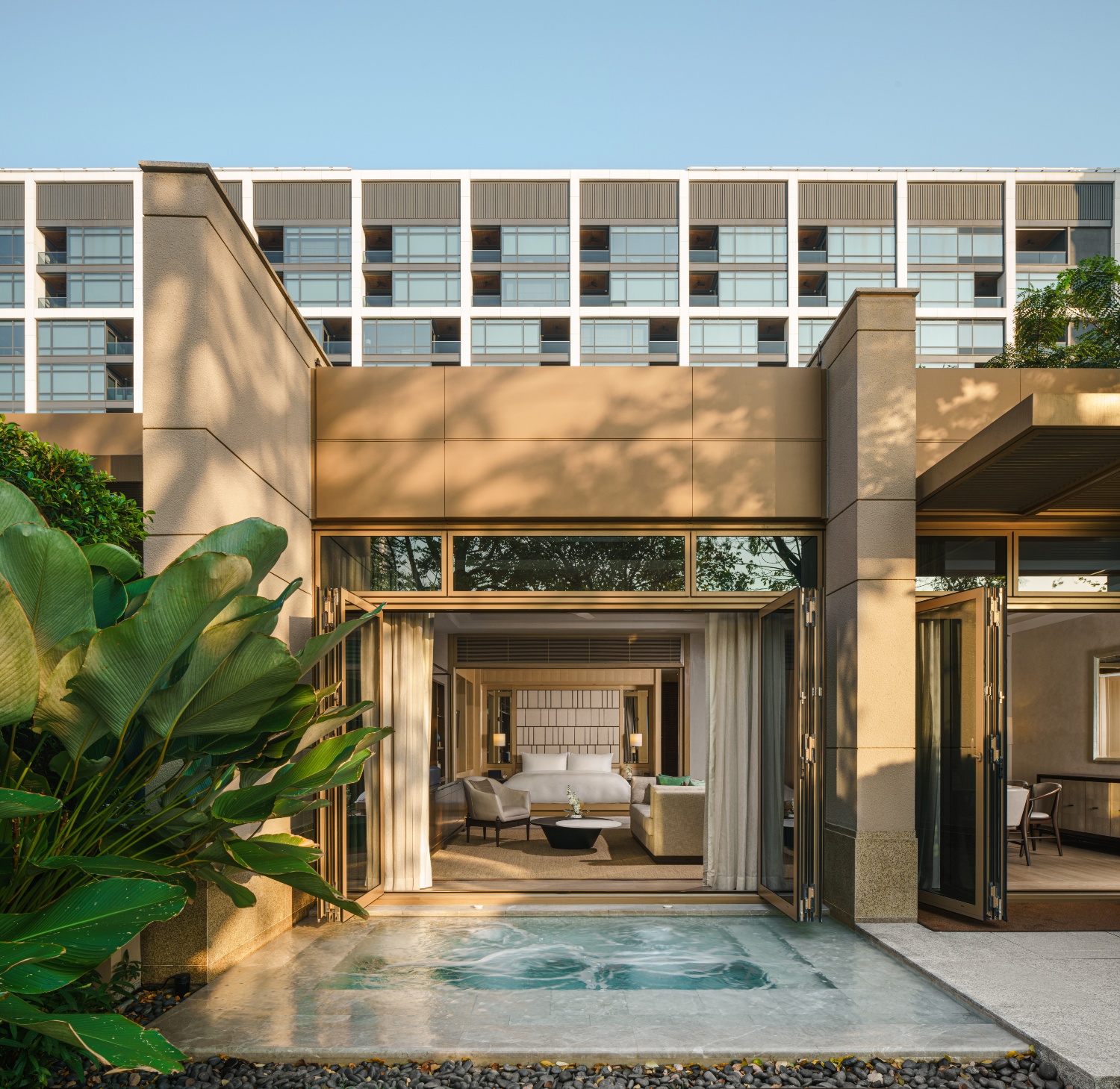
Our accommodations range from spacious Riverfront rooms to generous suites offering additional living space and privacy. For something even more secluded, our Verandah suites and riverside Villas offer the feeling of a private home by the river, with private outdoor spaces and jacuzzi plunge pools. It’s a secluded riverfront hideaway, but with all the amenities and perks of the full Capella Bangkok experience.

You have worked in Shanghai, in Beijing, in the Maldives and now in Bangkok. What lessons from each destination have shaped your leadership approach today?

Every destination has taught me something different, but perhaps the greatest lesson is that you should never arrive believing you already have all the answers. 

Shanghai taught me pace and precision; Beijing, the importance of cultural understanding; the Maldives, the emotional connection between people and place; and Bangkok continues to remind me of the power of warmth, generosity and human connection. 

After more than three decades in hospitality, I believe leadership is ultimately about listening, to our guests, but equally to our colleagues. Cultures may differ from one destination to another, but respect, authenticity and care are universal.

As a general manager, what is the first thing you notice when you enter a hotel and what details matter most to you?

The first thing I notice is actually not the design, but the feeling. I look at how guests are welcomed, how naturally the team engages with them and whether the atmosphere feels warm and genuine. Of course, details such as lighting, scent, music and flowers matter, but what stays with me is the human connection. Beautiful surroundings can impress you but genuine care is what you remember.  

What can visitors to Capella Bangkok expect in terms of dining experiences?

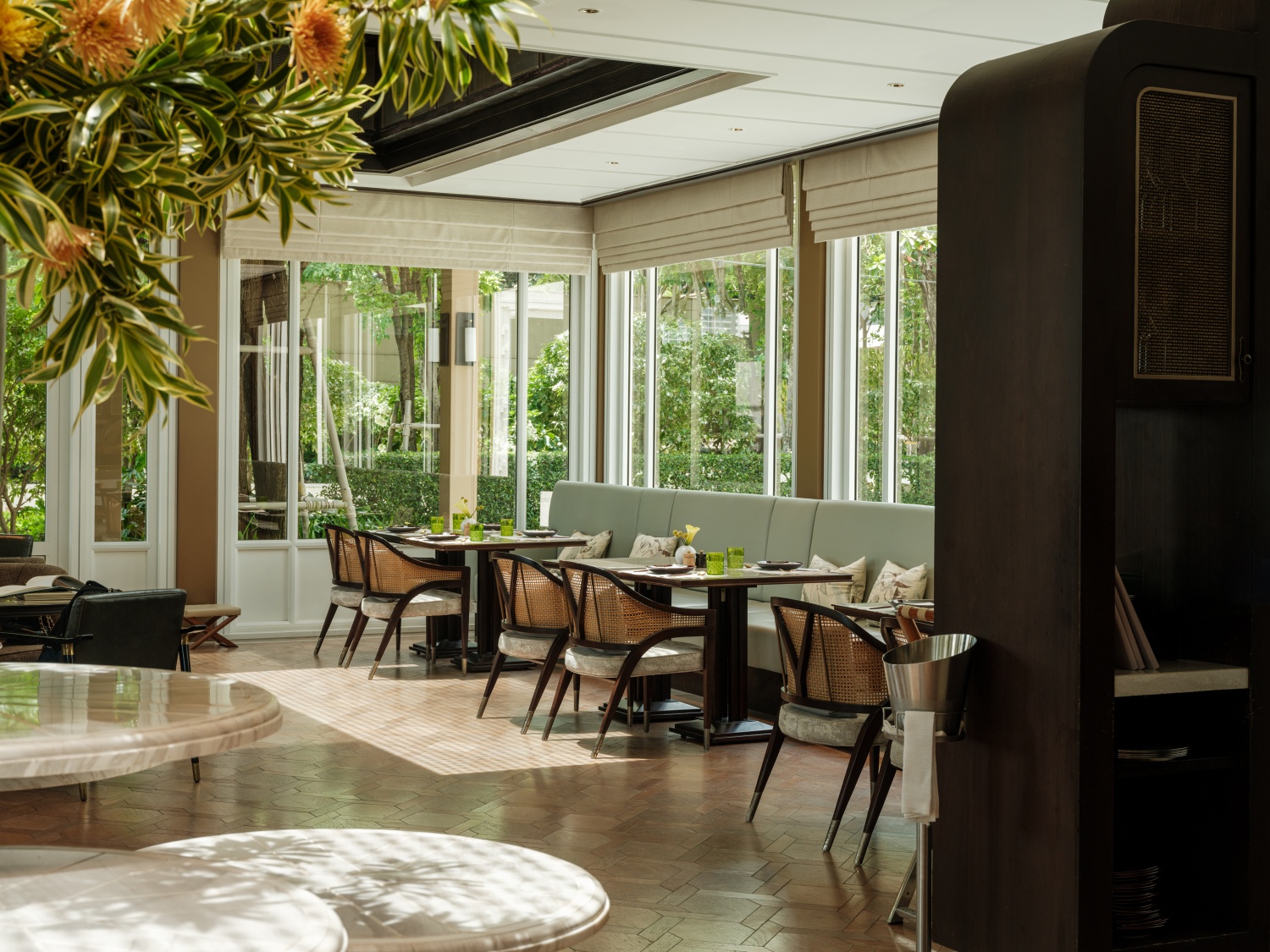
Dining is an important part of the experience and we want each of our venues to have its own personality while sharing a strong sense of place. 

At Côte by Mauro Colagreco, our two-MICHELIN-starred restaurant, the experience draws inspiration from the French and Italian Rivieras, bringing that generous Mediterranean spirit to Bangkok through refined simplicity, seasonal ingredients and expressive cuisine. Phra Nakhon has a very different character. It’s our celebration of authentic regional Thai cuisine by the river, focusing on time-honoured recipes and locally sourced ingredients, including produce from our own Greenhouse. 

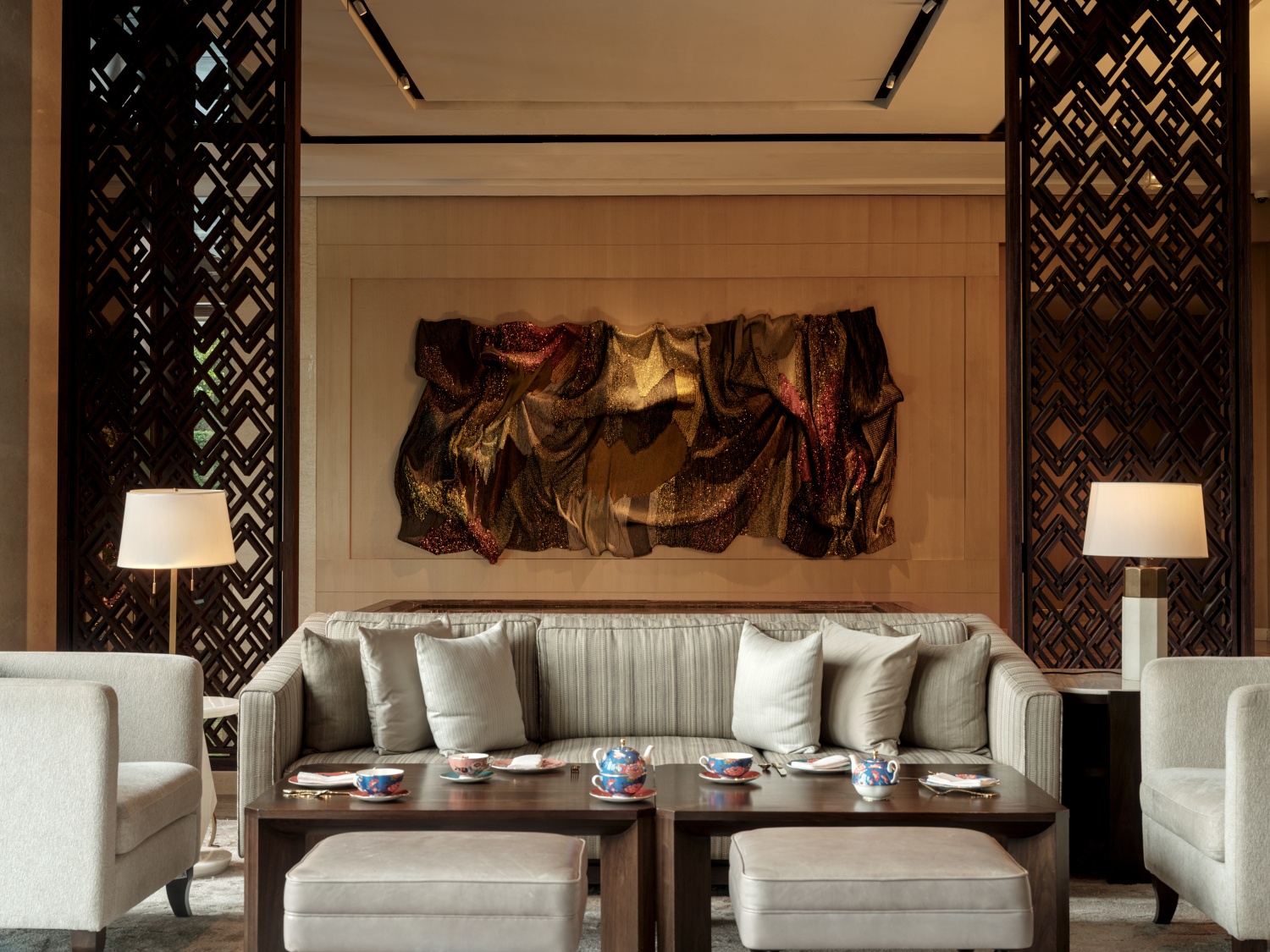
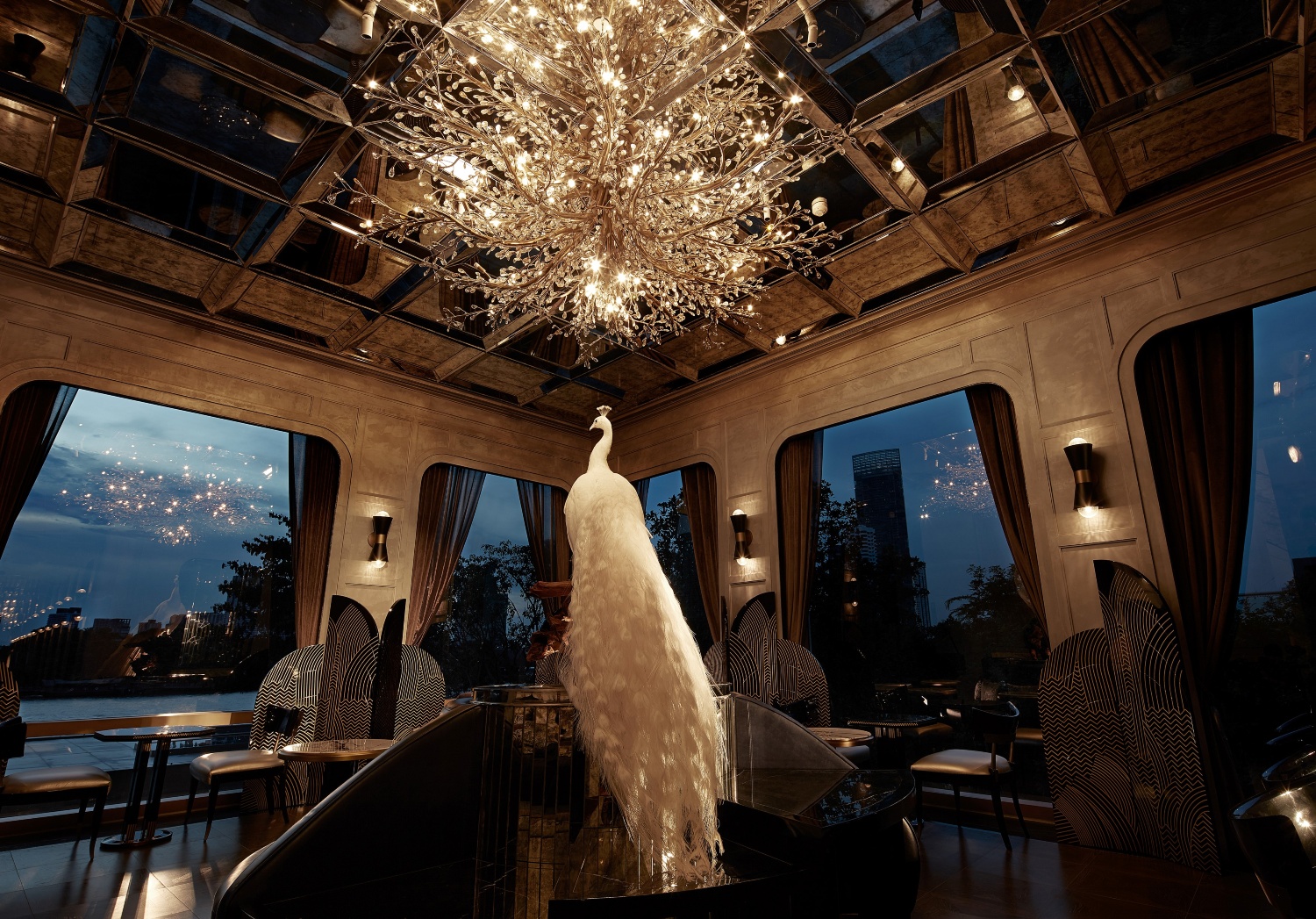
Stella, meanwhile, brings creativity and energy to the evening through contemporary Thai-inspired mixology and live music. Its latest chapter, A Journey into the New Siam, reimagines Thai traditions and local flavours through a modern lens. For something more leisurely, our Tea Lounge offers premium teas and afternoon tea overlooking the river and lily pond, creating a quieter way to experience life along the Chao Phraya. 

We were especially honoured this year to be named Best Global Hotel for Food & Drink in Food & Wine’s 2026 Global Tastemakers Awards. This recognition feels particularly meaningful because it celebrates the collective experience across our restaurants and bars, and the passion of the teams behind them. 

Ultimately, what connects all of our dining experiences is the belief that food and drink should create memories. They should have a sense of place, tell a story and, most importantly, bring people together. We want our guests not only to enjoy a wonderful meal, but to leave with a little more understanding of Bangkok, its flavours and its character.

How important is sustainability in your culinary approach and how will you reflect this across the hotel’s dining venues?

Sustainability is deeply embedded in our culinary philosophy at Capella Bangkok. We focus on responsible sourcing, from local organic produce and our own pesticide-free Greenhouse to cage-free eggs. We continuously work on ways to reduce food waste, single-use plastics and unnecessary packaging. These efforts are supported by broader hotel-wide initiatives in energy and water conservation, recycling, composting and community engagement. Across our restaurants, we want exceptional gastronomy to go hand in hand with responsible choices, creating experiences that are meaningful for our guests while being mindful of the environment and the communities around us. 

Tell us more about the spa & wellness facilities at Capella Bangkok.

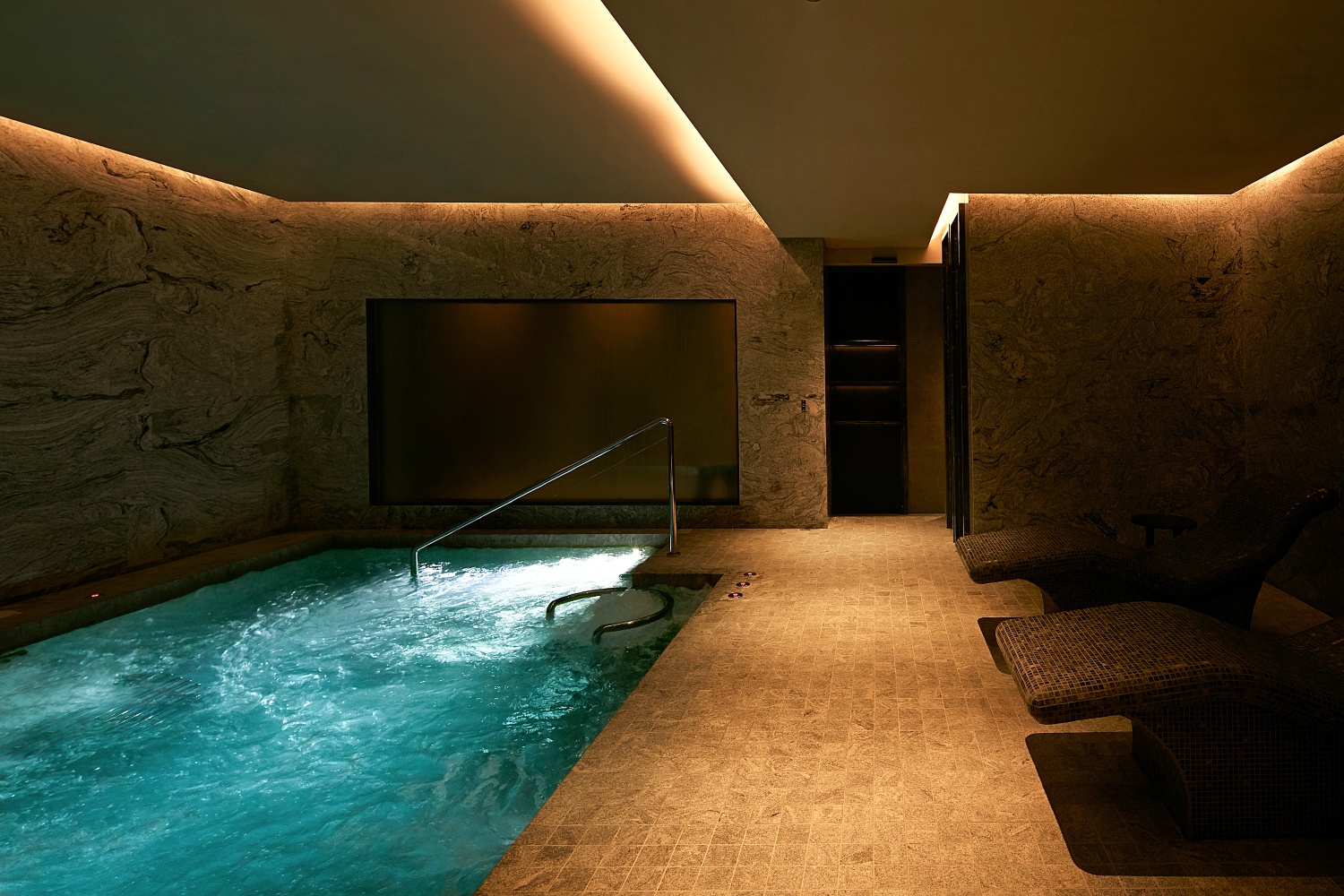
Wellness at Capella Bangkok is very much about creating a sense of balance, both physically and emotionally, while giving our guests the space to slow down and reconnect with themselves. At the heart of this experience is Auriga, our riverside wellness sanctuary, where treatments and experiences are thoughtfully personalised around each guest’s individual needs. Its approach brings together time-honoured traditions and contemporary practices, with influences spanning Thai, Chinese, Indian and European wellness philosophies. 

Our facilities include beautifully appointed treatment suites, a vitality pool, water therapy facilities and relaxation spaces set within a verdant garden by the river. Guests can complement their treatments with movement and fitness experiences such as Hatha Yoga, Tai Chi, Anti Gravity Yoga and personalised sessions with our trainers, or simply unwind by our riverside infinity pool. 

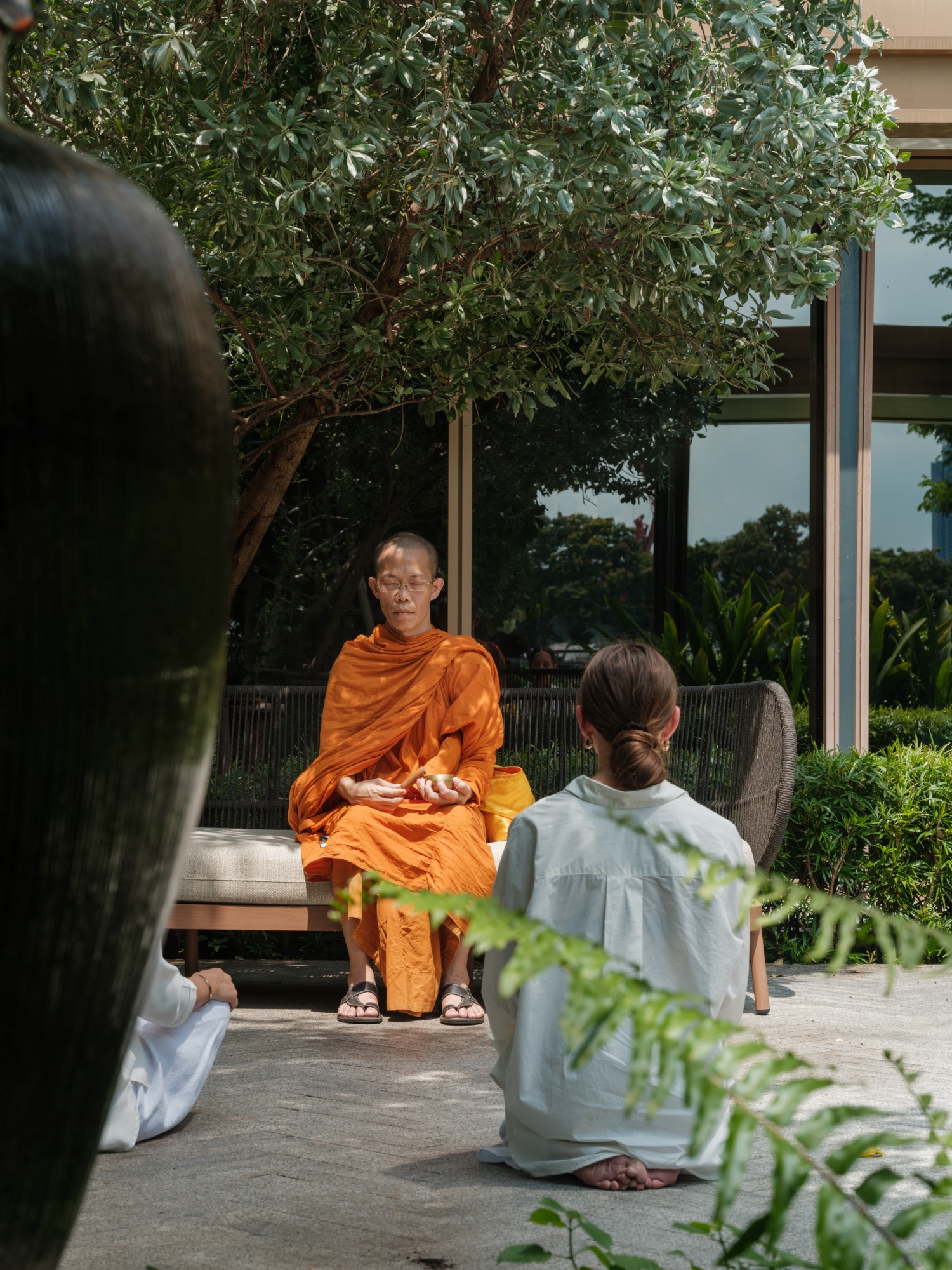
But I firmly believe wellness goes beyond the physical. It’s just as much about finding moments of stillness and connection. One experience that captures this beautifully is “A Moment of Meditation”, which is part of our Capella Curates programme. Guests are invited to join a guided meditation with Monk Phra Ajan Prasert, drawing upon the Buddhist practice of meditation to cultivate concentration, emotional positivity and a more content state of mind. I think experiences like these allow our guests not only to pause, but also to connect more meaningfully with Thailand and its traditions. Our Culturists can also arrange private meditation experiences as part of the hotel’s broader approach to immersing guests in local culture. 

What makes Auriga Wellness particularly special is this sense of personalisation. We do not prescribe one definition of wellbeing. Instead, we encourage each guest to find what feels meaningful to them, whether that comes through movement, restorative treatments, mindfulness, cultural discovery or simply taking a quiet moment by the Chao Phraya River. 

For us, wellness is not simply an amenity within the hotel. It’s part of how we want our guests to feel while they are here: more present, more balanced and perhaps a little more connected to Bangkok — and themselves.

What is your vision for the future of Capella Bangkok over the next few years?

My vision for Capella Bangkok is to keep moving forward while staying true to the heart and soul of who we are. 

Over the years, I’ve seen Capella Bangkok become much more than a hotel. It’s become a place where our guests create memories, where our colleagues grow and take pride in what they do and where meaningful connections with Bangkok and our local community come to life. That is something very special and something I never want us to lose. 

Of course, we’ll continue to evolve. There will always be new experiences to create, new culinary and wellness journeys to explore and new ways to introduce our guests to the richness of the city. But for me, the most important part of our future will always be our people and the genuine human connections they create every day. 

The world of hospitality will continue to change and technology will certainly play a greater role but I believe true luxury will become even more human. It’s all about being remembered, understood and cared for in a way that feels natural and sincere. 

My hope is that Capella Bangkok remains a place people want to return to, not only because they remember a beautiful stay but because they remember how they felt when they were here. Success, for me, is seeing the same guests return years from now, perhaps with their families and still feel that same sense of warmth and familiarity from the moment they first arrived. 

If Capella Bangkok can continue to be a place they feel deeply connected to, almost like returning to a home in Bangkok, that would make me incredibly proud. To me, that sense of belonging and lasting connection would mean far more than any award.

What makes a hotel stay an unforgettable experience?

 The stays we remember most are rarely about one grand gesture. They’re about the little things, the moments when someone makes you feel genuinely seen. 

It could be remembering how you like your morning coffee, introducing you to a side of Bangkok you might never have found on your own, or understanding what you need before you even have to ask. 

Of course, beautiful surroundings and exceptional experiences are important, but what stays with us is always the human connection. When a guest leaves feeling that they weren’t simply staying at a hotel, but that they belonged here for a little while, that’s when hospitality becomes something truly memorable.

How do you see the hospitality industry evolving in the next few years?

 I believe hospitality is becoming more personal, purposeful and emotionally meaningful. Luxury will be defined less by what a hotel has, and more by how well it understands its guests and connects them to the destination. 

Technology will help make the journey more seamless, but the human touch will remain irreplaceable. At Capella Bangkok, our focus is to create deeply personalised experiences rooted in the city, its culture, its communities and the Chao Phraya River. Ultimately, the hotels that remain relevant will be those that evolve with their guests while staying true to who they are.

Your favourite spots in Bangkok which you personally recommend to guests visiting the Thai capital?

Bangkok is a city that continually reveals a different side and some of my favourite places are those that offer a quieter, more intimate connection to its history and culture. 

Wat Prayoon in Thonburi district is one of those places. Nearly two centuries old, the temple is distinguished by its magnificent white chedi, surrounded by smaller stupas, beautiful halls and a museum of Buddha images. Despite its significance, it retains a wonderful sense of tranquillity. I particularly enjoy recommending it to guests who wish to discover another side of Bangkok’s spiritual heritage, away from the city’s more familiar temples. 

For a completely different perspective, I recommend Bang Krachao, a green oasis just beyond the city’s urban landscape. Surrounded by the Chao Phraya River and lush mangroves, it feels worlds away from central Bangkok. Exploring its communities, temples and local market by bicycle, along elevated pathways shaded by tropical greenery, is a lovely way to experience a slower and more unexpected side of the capital. 

I’m also naturally drawn to the Chao Phraya River, especially at different moments of the day. The Memorial Bridge at sunset offers one of my favourite views, when the changing light transforms the river and the city around it. Wat Arun at twilight, viewed from the water, is perhaps one of Bangkok’s most timeless sights. And in the early morning, I enjoy the buzzy riverfront around Pak Khlong Talat, when the flower market and surrounding neighbourhood are beginning another day. 

For guests interested in Bangkok’s contemporary creative spirit, I often recommend the Bangkok Art and Culture Centre, an important platform for the city’s artists and creative community, as well as Warehouse 30 in the historic Charoen Krung neighbourhood. The latter is particularly close to us at Capella Bangkok and offers a glimpse into how this historic part of the city continues to evolve through art, design and contemporary culture. 

These places capture what makes Bangkok so compelling: the constant blend of old and new, moments of serenity alongside the energy of the city, and unexpected discoveries that allow you to experience Bangkok through a more personal lens.

Instagram: www.instagram.com/capellabangkok/

Facebook: www.facebook.com/CapellaBangkok

For more information and reservations, email Reservations.Bangkok@capellahotels.com or visit CapellaBangkok.com

For more on the latest in celebrity and leaders interviews, click here.

The post Capella Bangkok GM Antonio Saponara on Quiet Luxury and the Power of Place appeared first on LUXUO.


from LUXUO
Wednesday, October 7, 2026

Fingertip-Sized Tizker G11 EDC Knife Is Dangerously Sharp

Tizker G11 EDC knife is merely 0.9" long yet packs a Damascus steel blade and grooved titanium alloy handle.

from Men's Gear

Precision in Overdrive: A. Lange & Söhne Brings “Challenging Chronographs” to Singapore

The A. Lange & Söhne timepiece 1815 Chronograph, ref. 414.031, in the Mercedes-Benz 280 SL of Walter Lange, photographed 2018. Image courtesy of A. Lange & Söhne.

For connoisseurs of haute horlogerie, the mechanical chronograph has long represented the ultimate synthesis of engineering prowess, athletic dynamism, and sculptural artistry. This month, the storied Saxon manufacture A. Lange & Söhne transforms the heart of Orchard Road into a temple of mechanical mastery with its exclusive pop-up exhibition, “Challenging Chronographs”. 

Taking over two dedicated spaces at the ION Orchard Level 1 Atrium from 18 to 30 October 2026 (open daily from 10:00 am to 9:00 pm), the public showcase offers an extraordinary glimpse into the Glashütte manufacture’s most enduring core competency – the making of fine chronographs – and its passion for historic motoring. 

The synergy between vintage racing machines and fine German watchmaking is far from coincidental. Under the leadership of CEO Wilhelm Schmid, who spent most of his career in the automotive industry before joining Lange in 2011, the manufacture has forged enduring alliances with the world’s most prestigious classic car concours. 

“Speaking from experience, I know that there is a great deal of common ground between car and watch collectors: ultimate craftsmanship, technical innovation and unrivalled heritage are the key values of both vintage cars and our approach to watchmaking,” Schmid observes. 

That philosophy is reflected across the brand’s automotive partnerships: 

  • Concorso d’Eleganza Villa d’Este: Marking its milestone 15th year of partnership with Lange in 2026 on the shores of Lake Como, the manufacture donates a bespoke, hand-engraved timepiece annually to the winner of the coveted “Best of Show”. 
  • Concours of Elegance at Hampton Court Palace: A partnership maintained since 2018, where historic motoring marvels, such as the 1928 Mercedes-Benz 710 SSK Rennwagen crowned in 2026, stand alongside Glashütte’s finest timepieces. 
  • Audrain Newport Concours d’Elegance & Motor Week: Celebrating kinetic beauty and heritage across the Atlantic in Rhode Island. 

At ION Orchard, visitors will step directly into this intersection of speed and sophistication, exploring how the relentless pursuit of timing precision in motorsport has spurred Lange’s watchmakers to continuously reinvent the function of tracking elapsed time from the ground up.

From left to right: A. Lange & Söhne’s Datograph Flyback and Triple Split. Image courtesy of A. Lange & Söhne.

The Chronograph Revolution: From Datograph to Triple Split

At the epicentre of the Singapore exhibition sits the Datograph family, a collection distinguished by its outsized impact on the world of extraordinary chronographs. 

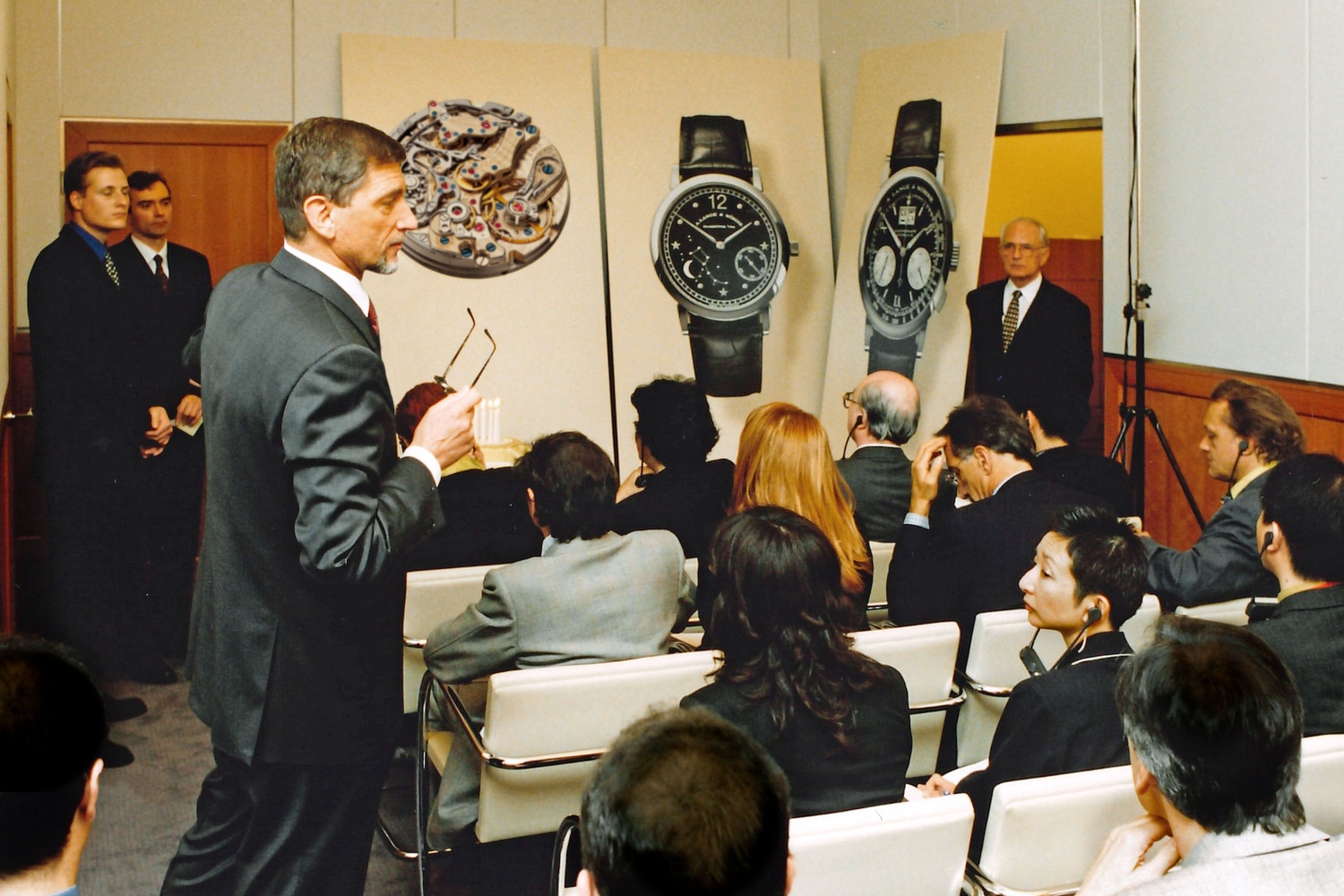
When the Datograph premiered at Baselworld in 1999, even high-end Swiss watchmakers predominantly relied on third-party, industrially supplied bases. Lange shattered the status quo by introducing the in-house calibre L951.1, conceived and manufactured entirely within its own Glashütte workshops. Combining an instantaneously jumping minute counter, a flyback mechanism, and Lange’s signature outsize date, its architecture was as aesthetically seductive as it was technically audacious. Arranged in an intuitive equilateral triangle, the dial became an instant classic, while the sculpted multi-tier movement visible through the caseback set an industry gold standard. 

Gunter Blumlein at the launch of the Datograph in 1999 at Baselworld. Image courtesy of A. Lange & Söhne.

Rather than resting on its laurels, Lange spent the next quarter-century systematically expanding what a mechanical chronograph could do, debuting a remarkable 13 models with the ability to record elapsed time, including the Double Split (2004) and Triple Split (2018). The Double Split was the world’s first double-rattrapante chronograph, breaking through the conventional 60-second split-timing limit to compare intervals of up to 30 minutes. The Triple Split, on the other hand, was not only seminal but remains unchallenged in fine watchmaking. It basically extends the split-timing measurement from seconds and minutes to hours, for up to 12 unbroken hours. It remains the world’s only mechanical split-seconds chronograph capable of multi-hour comparative timing, a feat destined to be useful for multi-stage endurance racing and marathons. 

The Triple Split’s hand-wound calibre L132.1 solved monumental engineering hurdles, including a patented disengagement mechanism that lifts levers clear of still-rotating cams the moment the rattrapante hands freeze, preventing friction from sapping amplitude from the balance wheel. Visitors to the exhibition will witness how this technical philosophy culminated most recently in the stealthy platinum edition of the Triple Split, boasting an elegant rhodié dial, charcoal sub-counters, and blued-steel rattrapante hands.

Image courtesy of A. Lange & Söhne.

Live Saxon Craftsmanship on Orchard Road

What sets “Challenging Chronographs” apart from a conventional gallery showcase is the presence of living horological heritage. Throughout the exhibition, a master watchmaker and a master engraver from the Glashütte manufacture will host live bench demonstrations. 

Guests can observe the painstaking and delicate handcraft that gives every Lange creation its bespoke identity: 

  • Freehand Engraving: Watchmakers and artisans will demonstrate the traditional Saxon art of freehand floral and scrollwork engraving directly onto balance cocks, giving each component its own unique touch. 
  • Movement Architecture & Assembly: The intricate assembly of Lange’s high-complication calibres, revealing untreated German silver plates, hand-chamfered bridges, and screwed gold chatons.
A. Lange & Söhne Datograph Perpetual. Image courtesy of A. Lange & Söhne.

Visitor Information & Appointments

Whether you are an ardent collector of fine watches; an enthusiast of classic automotive design; or a curious observer of rare artisanal crafts, the exhibition provides an unparalleled encounter with high-precision timekeeping. 

  • Exhibition: Challenging Chronographs by A. Lange & Söhne 
  • Dates: 18 to 30 October 2026 
  • Hours: 10:00 am to 9:00 pm daily 
  • Location: ION Orchard, Level 1 Atrium, Singapore 
  • Guided Tours & Artisanal Demonstrations: Available by appointment at tinyurl.com/challengingchronographs

For more on the latest in luxury watch reads, click here.

The post Precision in Overdrive: A. Lange & Söhne Brings “Challenging Chronographs” to Singapore appeared first on LUXUO.


from LUXUO