Clinical judgement shapes the quality of aesthetic care, from understanding a patient’s concern to deciding whether treatment is appropriate. Estimates from the International Society of Aesthetic Plastic Surgery indicate that plastic surgeons performed nearly 178,000 non-surgical aesthetic procedures across six Southeast Asian markets in 2025, including 11,753 in Singapore. These figures exclude treatments administered by other medical practitioners. For patients navigating their options, knowing how to assess the expertise behind a recommendation is an essential part of making an informed choice.
An elderly patient came to Dr Chester Lan, an aesthetic and medical practitioner at Freia Medical and Freia Aesthetics, asking for fillers before a wedding. She wanted to restore fullness to her face, but the consultation revealed something more important: she had unintentionally lost a significant amount of weight. He referred her for medical assessment. Following investigations and nutritional guidance, she gradually regained weight and some facial fullness. She never underwent filler treatment with him.

His experience illustrates the value of looking beyond the requested procedure. Alongside Dr Lan, Dr Rachel Ho of The Skin Longevity Clinic and Dr Kevin Chua and Dr Iroshini Chua of Dr Kevin Chua Medical & Aesthetics explain how careful assessment, evidence and restraint help patients recognise quality—and understand what is worth paying for.
The Consultation Comes First
Dr Ho defines quality in aesthetic medicine as quality of healthcare. A consultation should establish the patient’s concerns, expectations and boundaries, then explain how their anatomy and medical circumstances affect the options.
The Chuas also examine medication, existing skincare and relevant habits. Dr Iroshini recalls a patient seeking aesthetic treatment who mentioned feeling unwell and gaining weight. She pursued medical investigations; the patient was subsequently diagnosed with thyroid cancer. Her account reinforces the importance of hearing more than the cosmetic request
For Dr Lan, understanding a concern requires sensitivity. A patient who feels they look tired may be troubled by pigmentation, dullness or changes around the eyes. Helping them articulate that concern should not become an exercise in identifying additional imperfections.
“I don’t think we should be creating new insecurities for patients,” he says.
Professional roles also matter. Dermatologists specialise in skin disease and may provide aesthetic procedures, while doctors practising aesthetic medicine come from different medical backgrounds. In Singapore, doctors practising as specialists must obtain specialist accreditation and register with the Singapore Medical Council, while those performing aesthetic procedures must meet the relevant competency requirements.
Dr Kevin suggests a GP or family physician as an initial point of assessment when patients are unsure. The doctors identify suspicious growths, unexplained skin changes and complex conditions as reasons to consider specialist assessment. Recognising when to refer is itself a measure of judgement.
Personalisation Requires Interpretation
A request to look “refreshed” leaves considerable room for interpretation. One patient may be concerned about pigmentation, another about looking tired, and each may have a different threshold for how much change feels comfortable. Before choosing a procedure, doctor and patient need a shared understanding of the result they are working towards.
Dr Ho begins by asking what “natural” or “refreshed” means to the individual. Her patients commonly seek improvement while retaining their identity and facial movement.
For Dr Kevin, understanding a patient’s preferences includes explaining what they may experience during recovery. He recalls someone who was unsettled by a temporary change in facial appearance after treatment, illustrating why the interim journey deserves discussion alongside the intended result.
Personalisation also continues during a procedure. He describes adjusting laser settings and observing the skin’s response rather than treating a machine’s settings as a universal formula.
“It’s not a single setting that treats them all,” he says.
For patients comparing recommendations, Dr Lan offers a useful distinction: two doctors may propose different approaches to the same concern. Each should explain the expected benefit, recovery, risks, maintenance and cost. The reasoning helps patients judge which approach fits their priorities.
Restraint Is a Clinical Decision
Some of the clearest examples of personalisation end with a decision to leave something alone. Dr Kevin recalls a patient focused on a tiny concern visible only under close magnification. In his assessment, treating it would create a wound and a recovery period disproportionate to the potential benefit.
The same reasoning informs his response to requests for botulinum toxin injections without an apparent need, or fillers when he believes additional volume would compromise facial balance. The ability to perform a procedure does not settle whether it serves the patient.
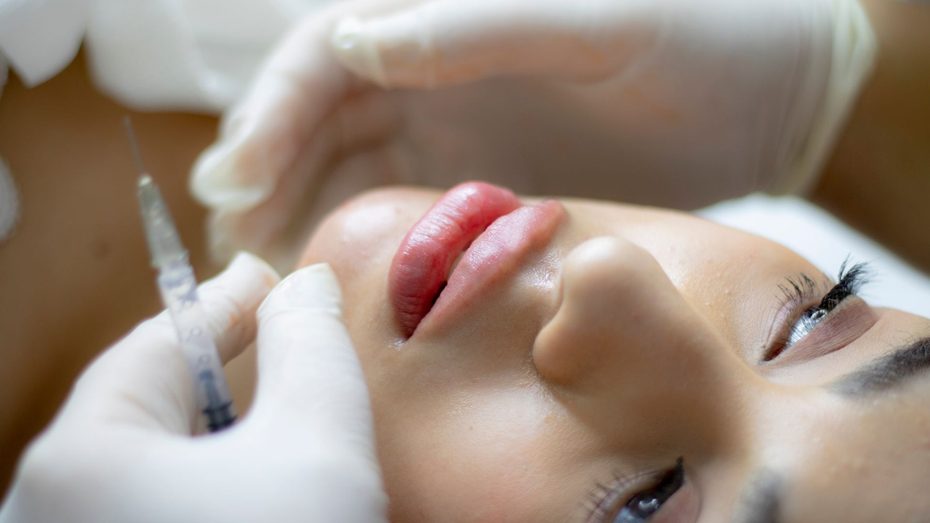
Dr Iroshini takes a similarly firm position on requests driven by trends. “Do what the patient needs,” she says. “If the patient says it’s a trend and I want to do it, don’t.”
Restraint can also mean postponement. Dr Ho delayed a patient’s planned laser and chemical peel after the patient returned from holiday with sunburn. She considers uncertainty, unrealistic expectations and the potential consequences of combining treatments when deciding whether to proceed.
For the patient, a thoughtful refusal should come with an explanation. Understanding why a procedure is unsuitable can be as valuable as understanding its possible benefits.
Evidence Gives Novelty Its Value
A new treatment may arrive with an appealing scientific explanation, yet the distance between a promising mechanism and a worthwhile result still needs examination. Patients considering an unfamiliar procedure should be able to understand whether its claims rest on laboratory findings, clinical research or observations from practice.
Dr Ho looks for reproducible outcomes supported by high-quality clinical research, particularly peer-reviewed randomised controlled trials. Laboratory findings, she cautions, may not translate into the same effects in people.
“Essentially, the claims or benefits of this treatment need to be supported by evidence and the results should be reproducible,” she says.
Skinboosters from brands including Rejuran and Re2O have become very popular in Asia.
Dr Lan reviews clinical studies, safety data and relevant regulatory status alongside practical evaluation and patient feedback. He has stopped offering products whose longer-term benefits failed to meet his expectations.
These sources of information serve different purposes. A doctor’s experience can inform treatment decisions and follow-up, while formal research addresses questions that individual observation cannot settle. Patients should be able to understand what evidence supports a recommendation and what remains uncertain.
Understanding What the Price Includes
Two clinics offering a treatment under the same name may appear easy to compare on price. The comparison becomes less straightforward once consultation time, practitioner experience, the products used and follow-up arrangements enter the equation. Understanding those differences gives patients a firmer basis for deciding whether an additional cost offers value.
Dr Ho points to research, product authenticity and supply-chain traceability, while Dr Kevin emphasises technique and experience, particularly in areas such as tattoo removal. Dr Lan includes consultation time, products used around a procedure and follow-up care. He cautions against assuming a higher price guarantees a better result, or comparing value solely through quantities of product and numbers of sessions.
An experienced doctor’s contribution may include recommending a smaller intervention. It should also include reconsidering an unsuccessful approach. Dr Lan recalls reassessing a patient’s pigmentation after numerous treatments elsewhere had delivered little improvement. Persistence requires a reason to continue, supported by a review of progress.
Care Between Appointments
The consultation also extends to the products waiting on a patient’s bathroom shelf. Dr Iroshini describes reviewing skincare routines for overlapping ingredients, much as she checks the contents of supplements patients bring to the clinic. A crowded regimen can make it harder to understand what someone is applying and whether another product is necessary.

Her preference for simplicity also informed Alaaya Skin, which she co-founded with her daughter, Aiyana Chua. Developed with a Korean laboratory, its Brightening Moisturiser is intended as a lightweight formula for sensitive skin in tropical conditions. According to the brand, it underwent six formulation iterations over a year. Dr Iroshini describes the range as a response to their own difficulties finding suitable products, with an emphasis on texture, tolerability and a manageable daily routine.
The practical question extends to clinical maintenance: can a plan fit the person expected to follow it? Dr Kevin discusses what patients can realistically commit to in time and cost. Dr Lan presents estimated treatment schedules as subject to reassessment, while Dr Ho stresses explaining ongoing commitments before patients begin.
Success Reflects the Patient’s Goals
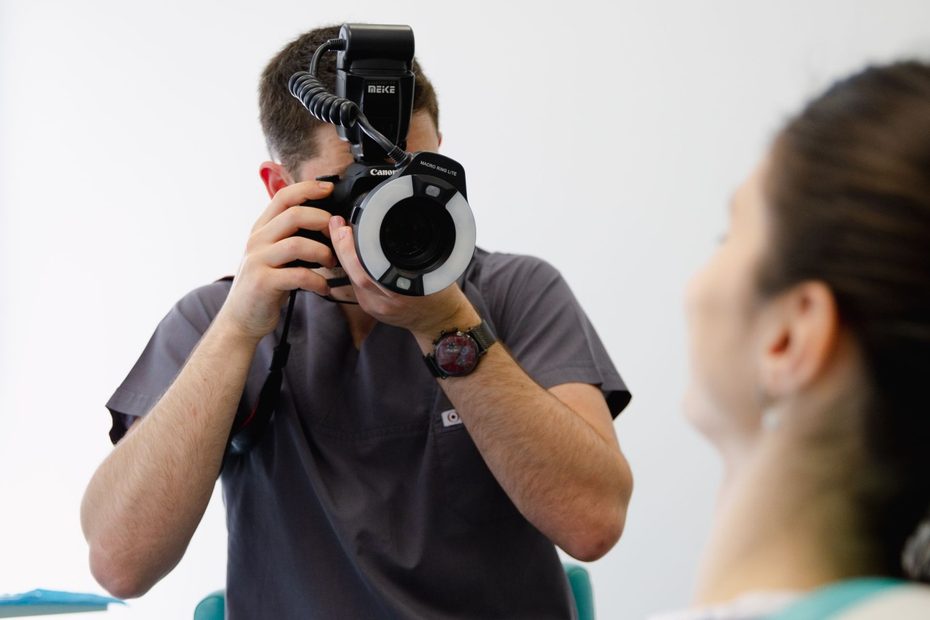
For Dr Iroshini, one memorable sign of progress is a change in how a patient approaches the camera: someone who initially resisted a photograph later welcomes one. That shift in confidence gives a personal dimension to the assessment of results.
Dr Ho similarly considers patients’ perceptions alongside photographic assessment. The question is whether the original concern has improved in a way the patient values, with expectations established clearly enough for both doctor and patient to assess progress.
Those outcomes begin with realistic expectations and a shared understanding of the goal. For the discerning patient, quality becomes visible through decisions explained clearly, progress assessed honestly and recommendations adapted when circumstances change. The most valuable expertise helps them choose with confidence, including when the best decision is to wait.
For more on the latest in wellness and beauty reads, click here.
The post Judgement Is The Most Valuable Skill in Aesthetic Medicine appeared first on LUXUO.
from LUXUO

No comments:
Post a Comment